REZIDENȚĂ ARTISTICĂ BERLIN 2026
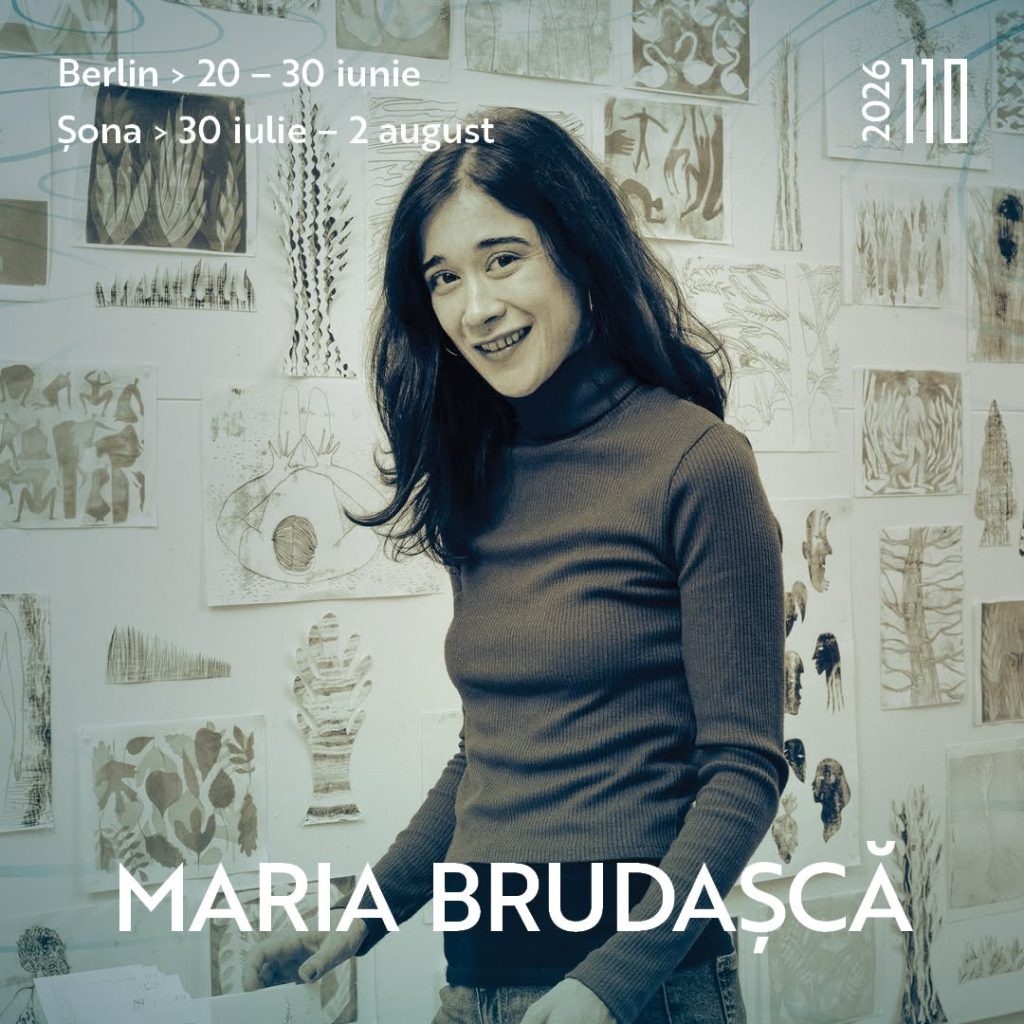
Maria Brudașcă
Maria Brudașcă lives and works in Cluj-Napoca and is a graduate of the University of Art and Design in Cluj-Napoca. She describes her artistic practice as a space for dialogue and works across illustration, animation, and cultural education for young people.
“My work explores the relationships between individuals and their environments, as well as a range of social challenges unfolding within an ever-changing urban context. Drawing is the primary tool through which I document and develop my projects, due to its ability to communicate meaningful information across geographical, linguistic, and cultural boundaries.
I am interested in discovering, visually mapping, and promoting ways of sustaining human connections, analogue practices, and a general sense of well-being within an increasingly digitalised and alienating environment. Through my work, I aim to create a space for dialogue between the subject and the viewer, grounded in visual representations of shared experiences.”
Reflecting on her participation in the artist residency programme in Berlin, Maria Brudașcă says:
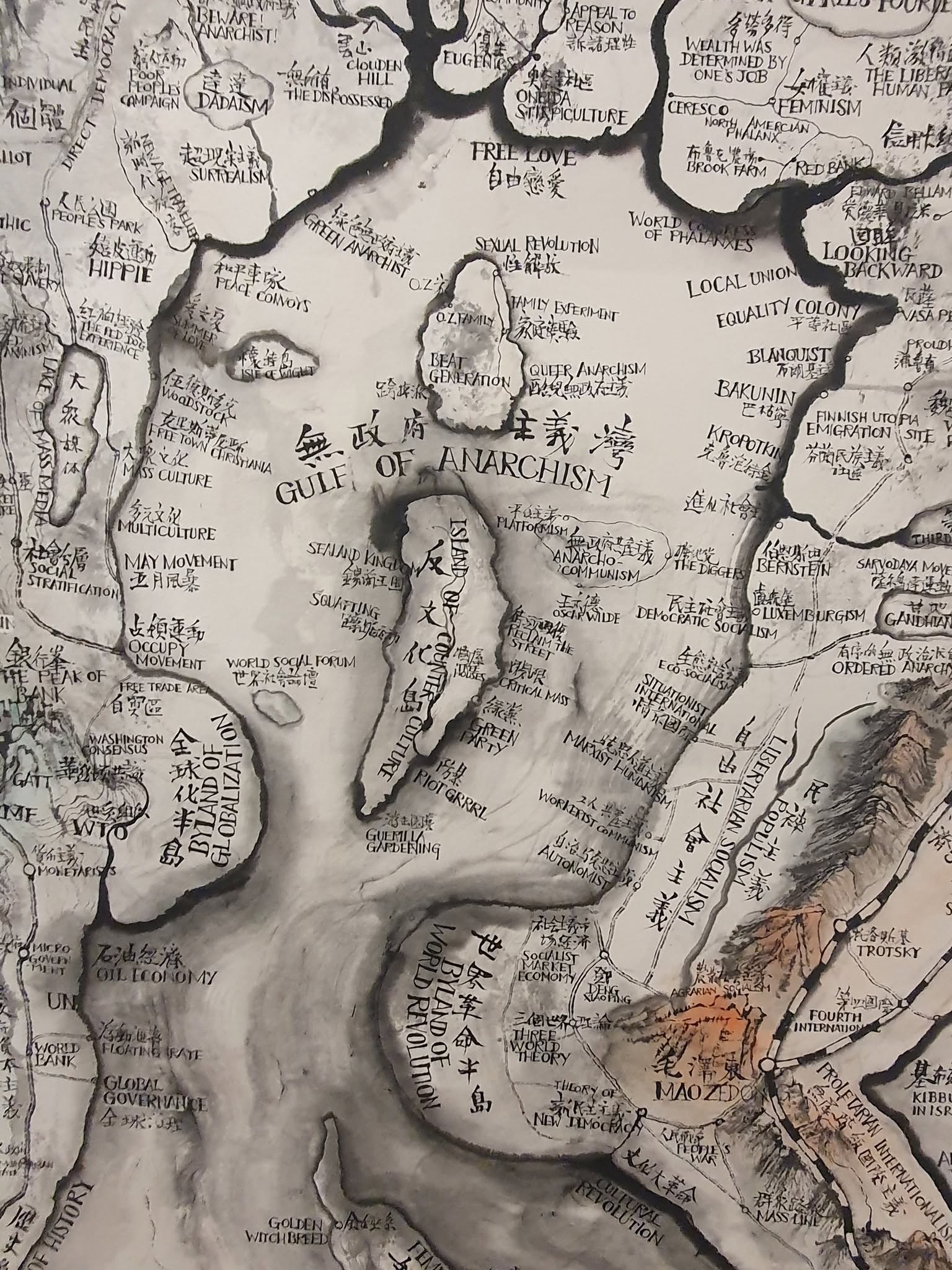
“The Berlin residency was an intense experience, shaped by an exceptionally coherent programme of cultural events addressing the artistic and social concerns that initially motivated me to apply. As I followed the programme’s itinerary of events and exhibitions, I discovered new spaces and different models of institutional organisation, as well as common challenges faced by cultural organisations in sustaining their activities. I also encountered fragments of Berlin’s recent history, alongside a selection of exhibitions, artworks, and publications that continue to inspire me.
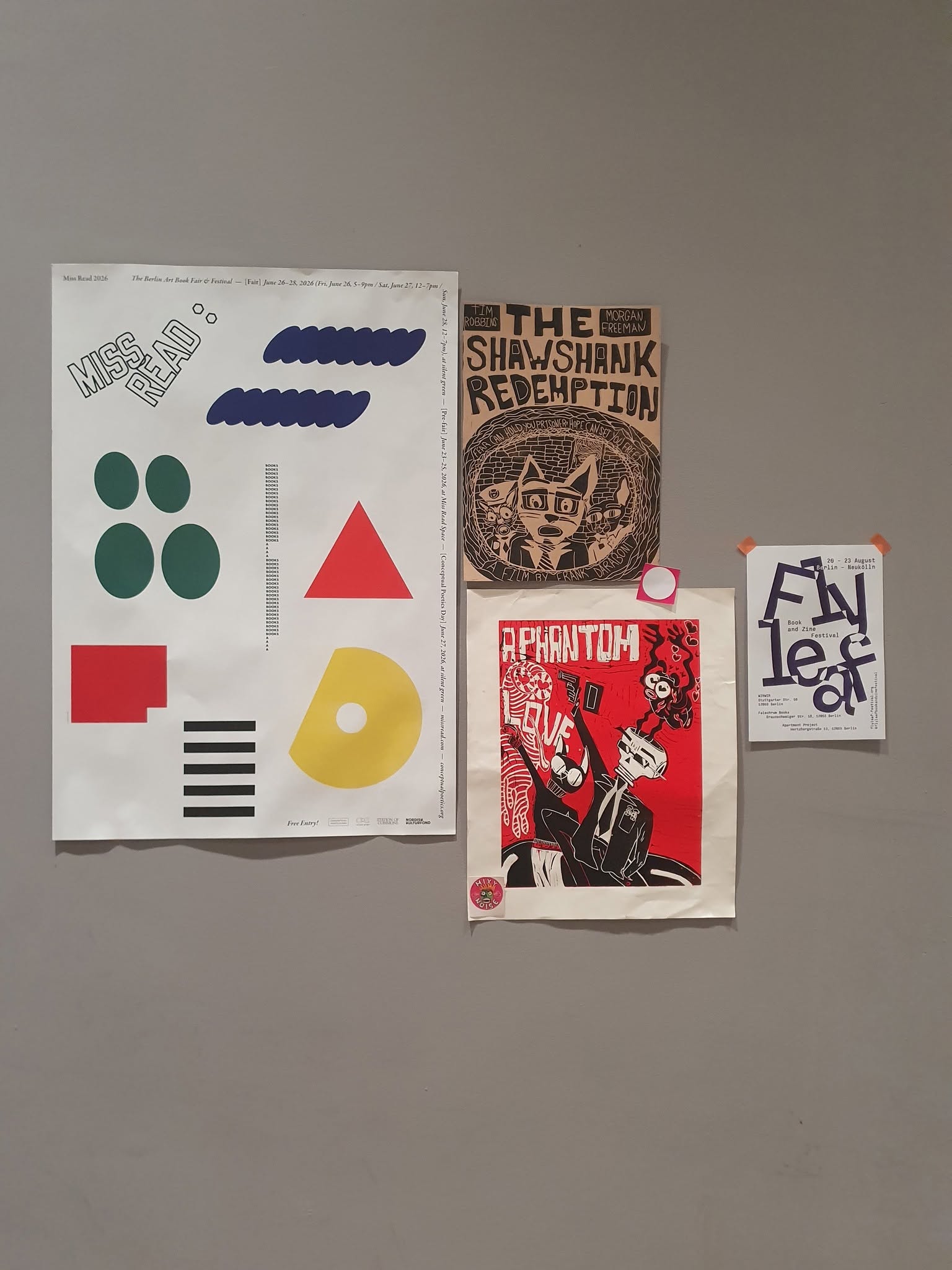
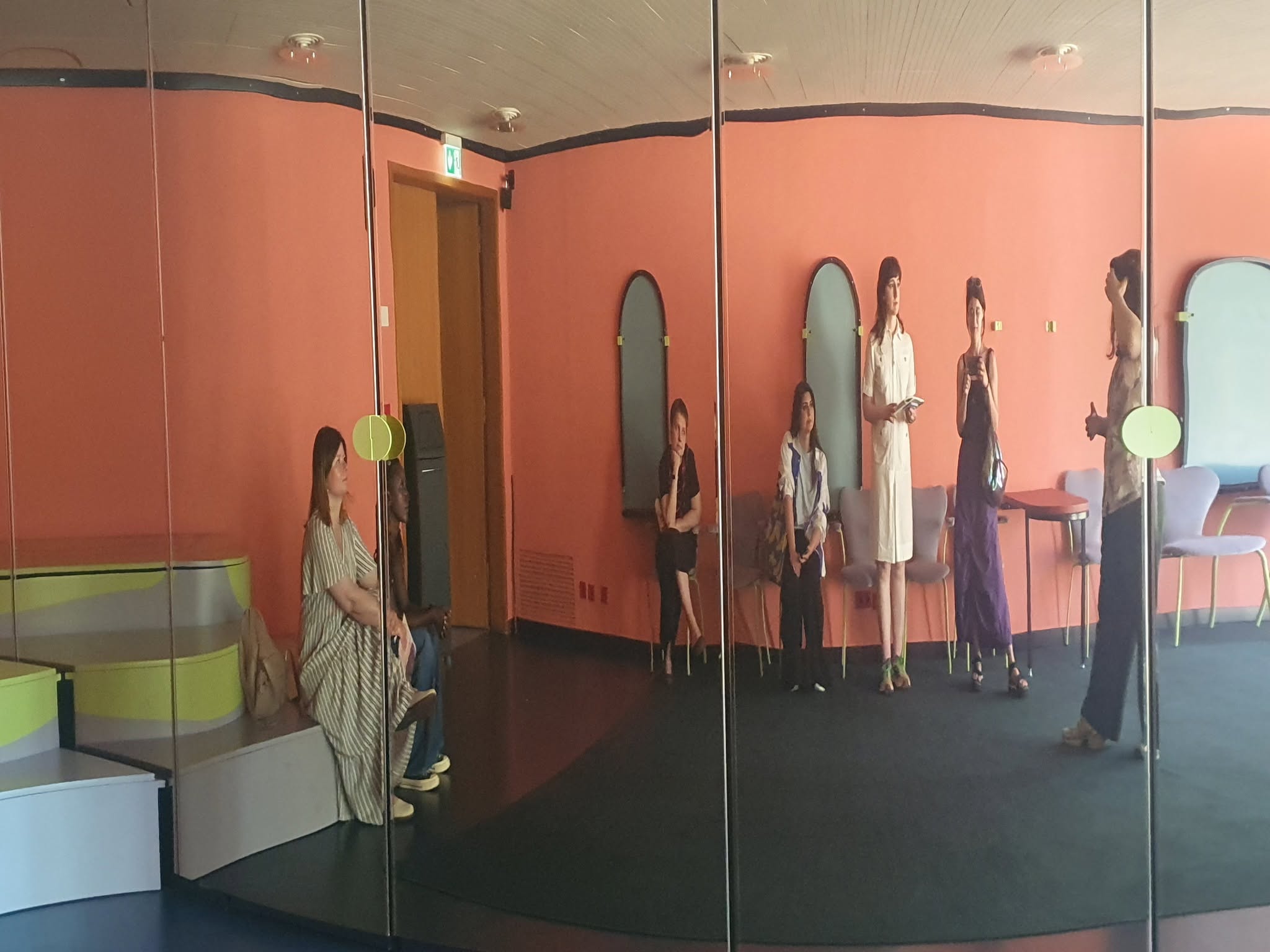
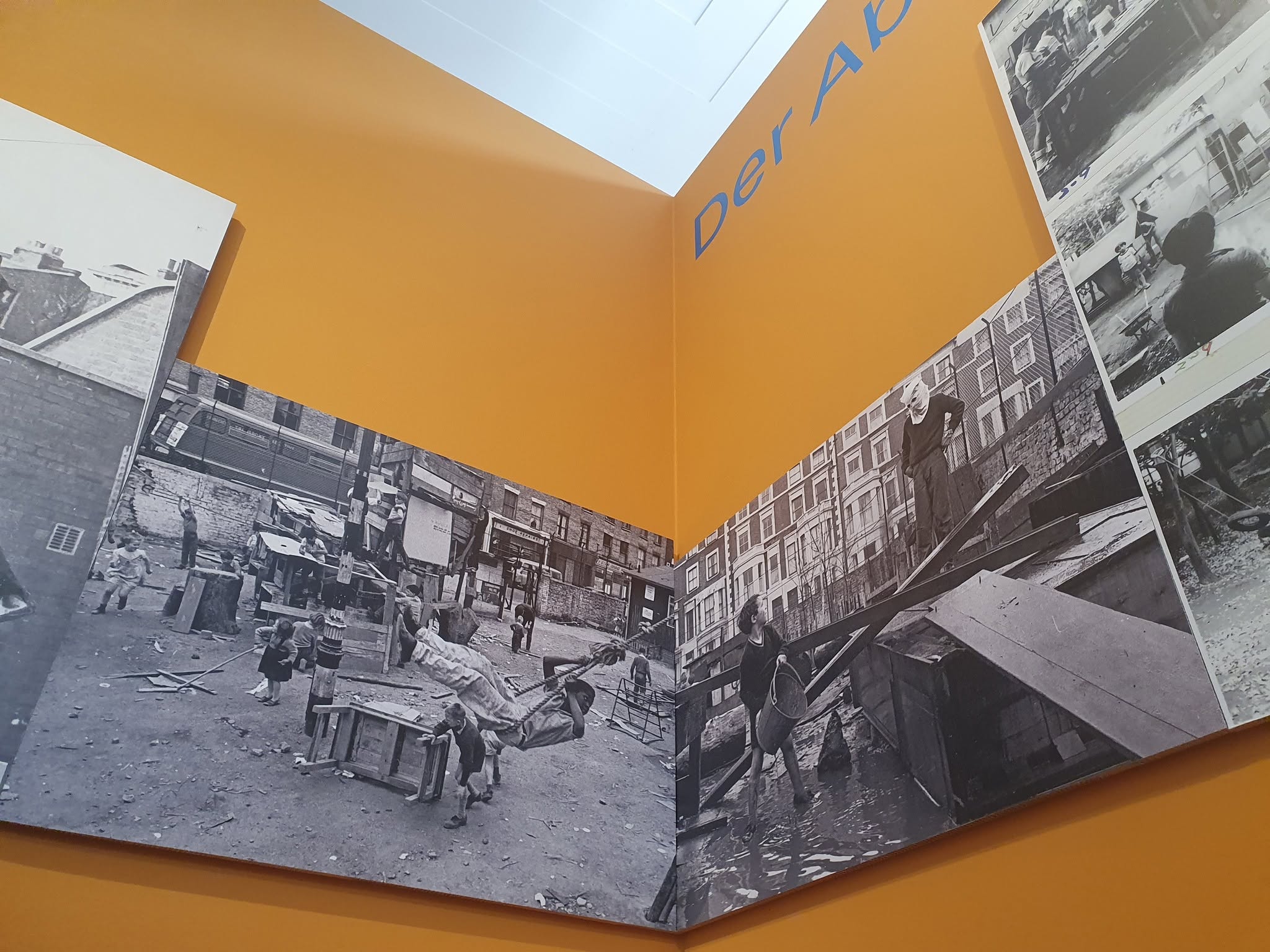
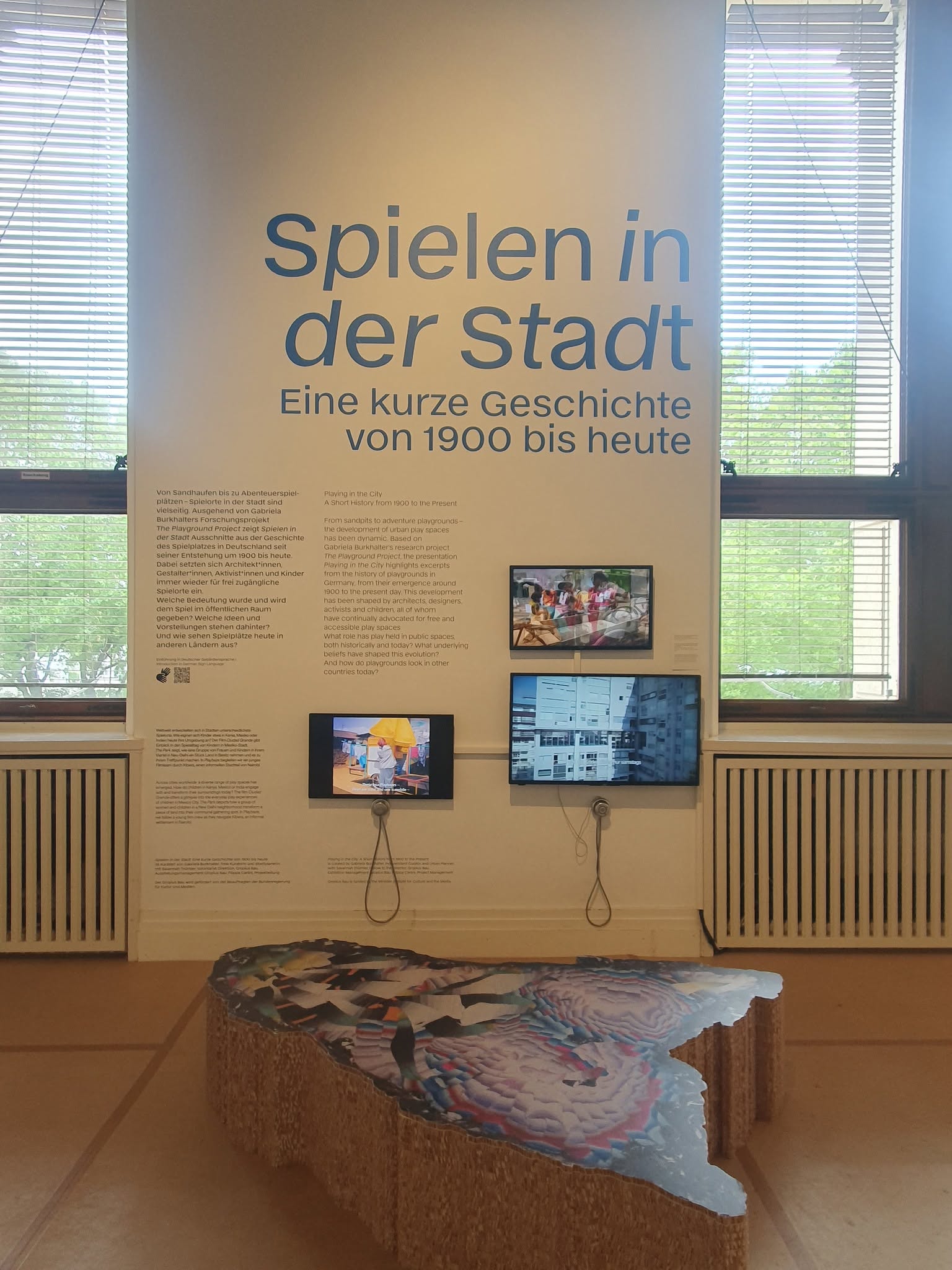
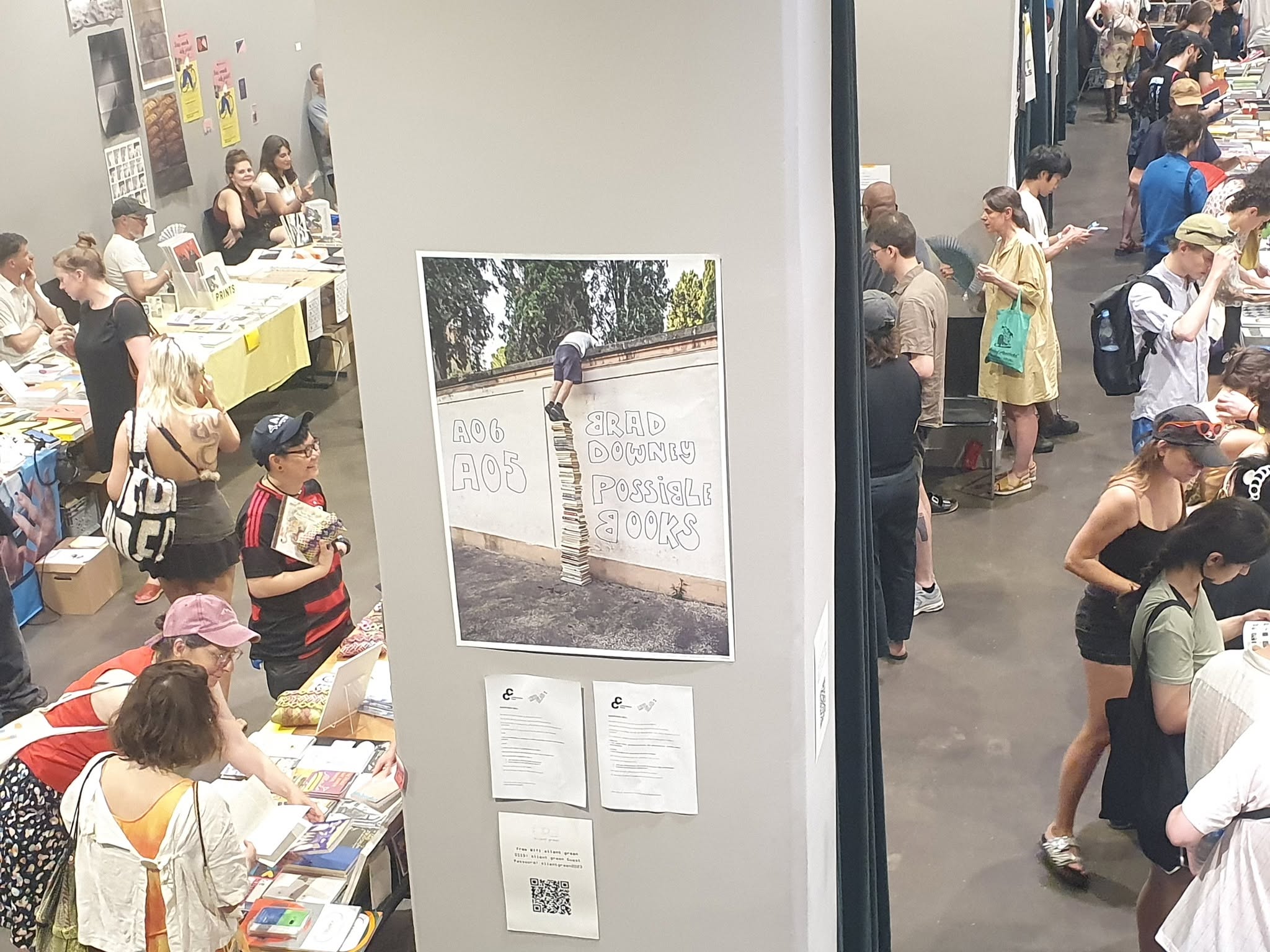
I particularly appreciated our visit to Spore Initiative, which brings cultural and community-based activities together within the same space, with a strong emphasis on sustainability; Miss Read, the independent publishing fair; and the exhibition Spielräume at the Gropius Bau. The exhibition presented informal play spaces from Berlin’s history, many of which emerged from tragic social circumstances, including wartime ruins and Soviet-era construction sites, yet offered children the freedom to explore their surroundings in creative and unstructured ways.”

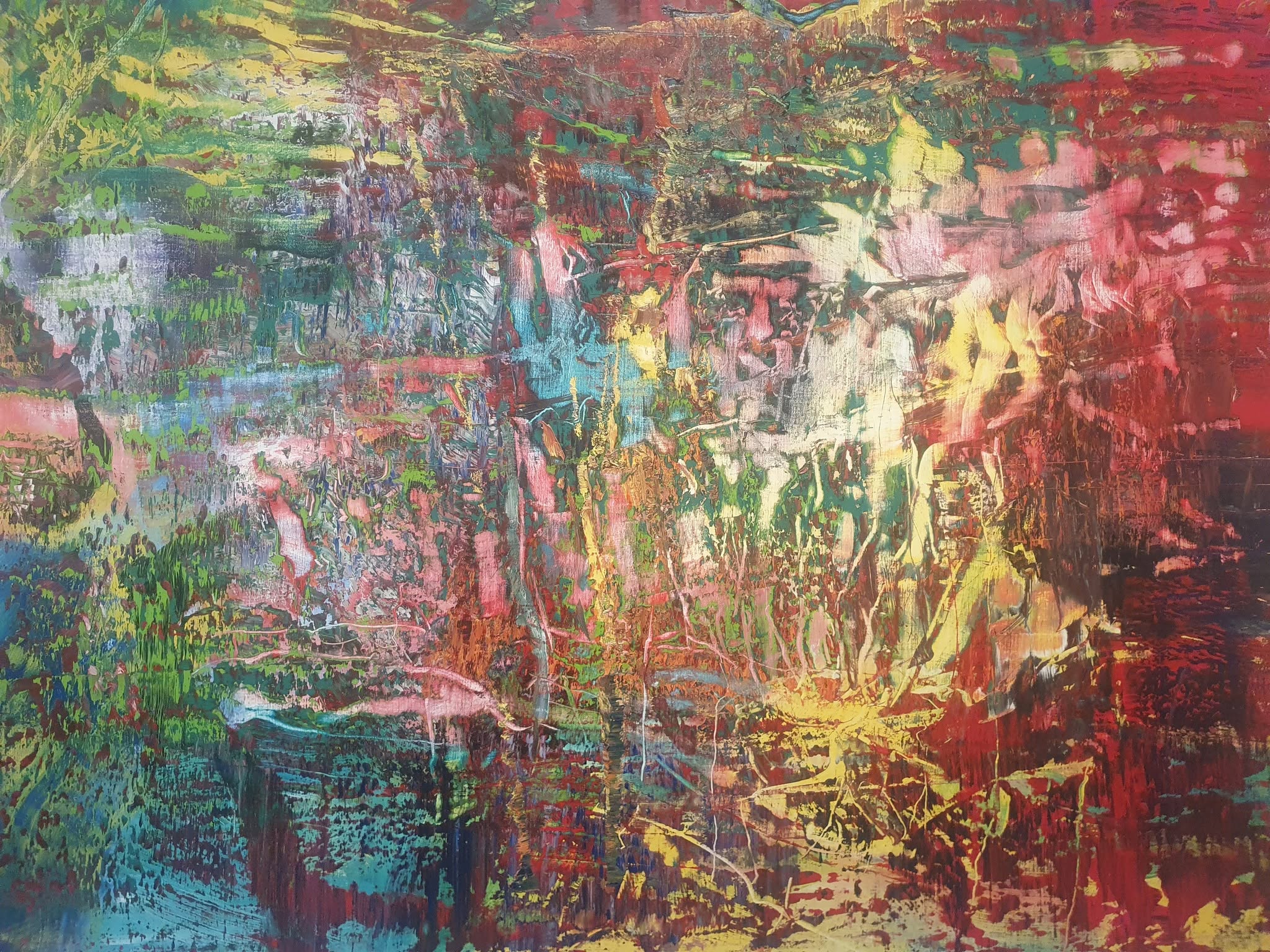
Images from the research residency, 20-30 June 2026
Maria Brudașcă
Maria Brudașcă lives and works in Cluj-Napoca and is a graduate of the University of Art and Design in Cluj-Napoca. She describes her artistic practice as a space for dialogue and works across illustration, animation, and cultural education for young people.
“My work explores the relationships between individuals and their environments, as well as a range of social challenges unfolding within an ever-changing urban context. Drawing is the primary tool through which I document and develop my projects, due to its ability to communicate meaningful information across geographical, linguistic, and cultural boundaries.
I am interested in discovering, visually mapping, and promoting ways of sustaining human connections, analogue practices, and a general sense of well-being within an increasingly digitalised and alienating environment. Through my work, I aim to create a space for dialogue between the subject and the viewer, grounded in visual representations of shared experiences.”
Reflecting on her participation in the artist residency programme in Berlin, Maria Brudașcă says:
“The Berlin residency was an intense experience, shaped by an exceptionally coherent programme of cultural events addressing the artistic and social concerns that initially motivated me to apply. As I followed the programme’s itinerary of events and exhibitions, I discovered new spaces and different models of institutional organisation, as well as common challenges faced by cultural organisations in sustaining their activities. I also encountered fragments of Berlin’s recent history, alongside a selection of exhibitions, artworks, and publications that continue to inspire me.
I particularly appreciated our visit to Spore Initiative, which brings cultural and community-based activities together within the same space, with a strong emphasis on sustainability; Miss Read, the independent publishing fair; and the exhibition Spielräume at the Gropius Bau. The exhibition presented informal play spaces from Berlin’s history, many of which emerged from tragic social circumstances, including wartime ruins and Soviet-era construction sites, yet offered children the freedom to explore their surroundings in creative and unstructured ways.”