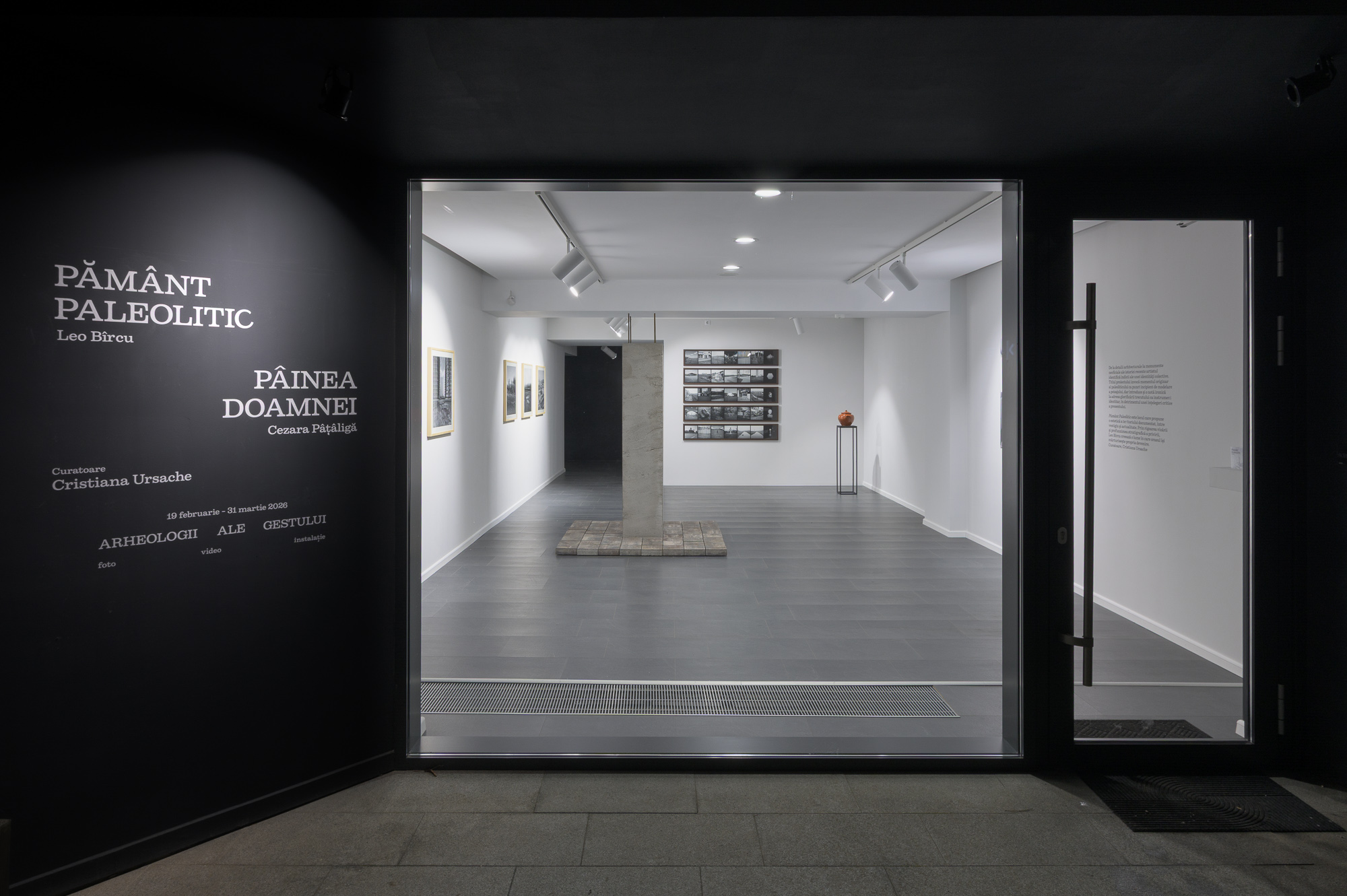
Pământ paleolitic. Pâinea doamnei
Leo Bîrcu. Cezara Pâțâligă
19 februarie – 31 martie 2026
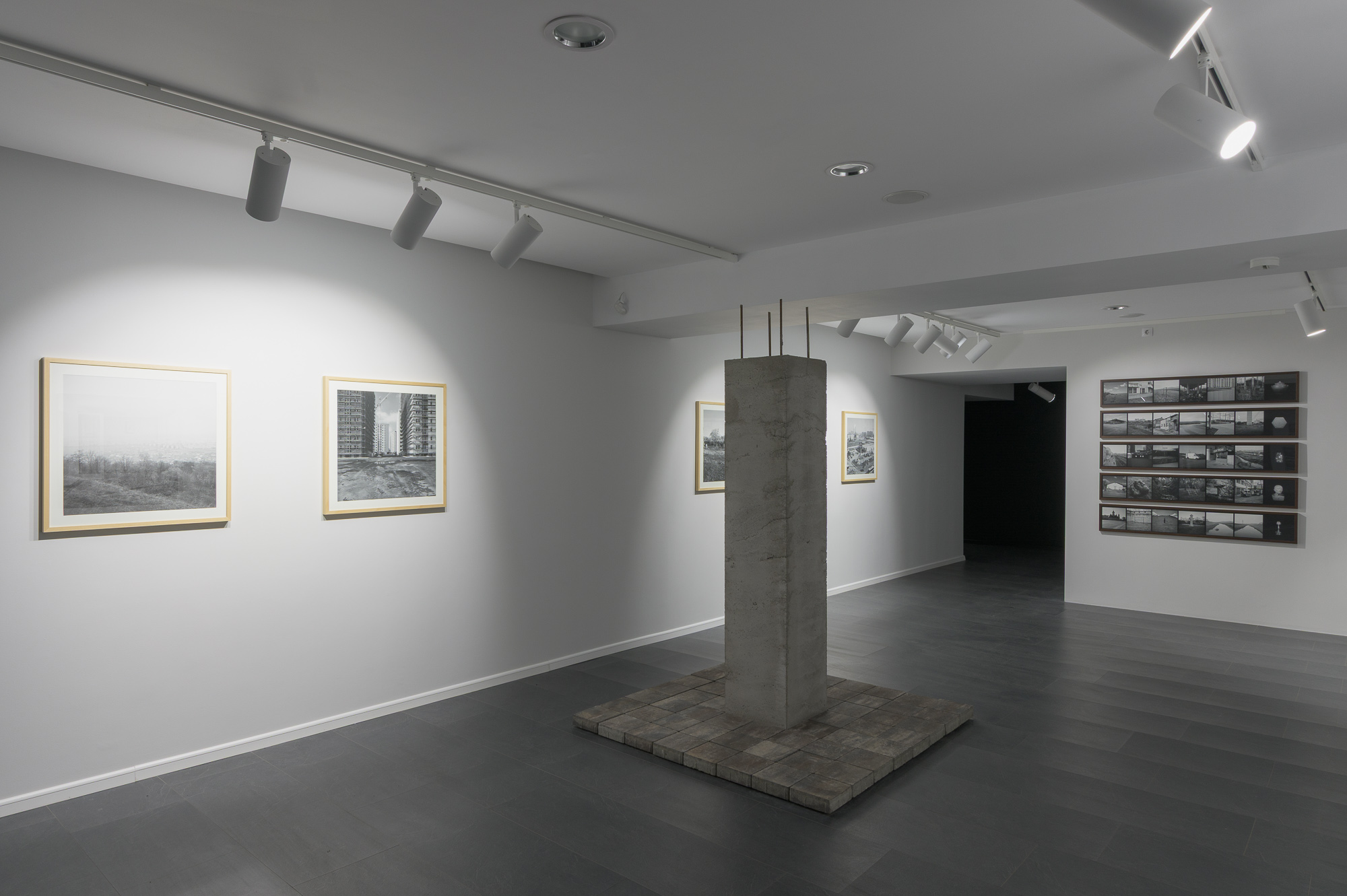
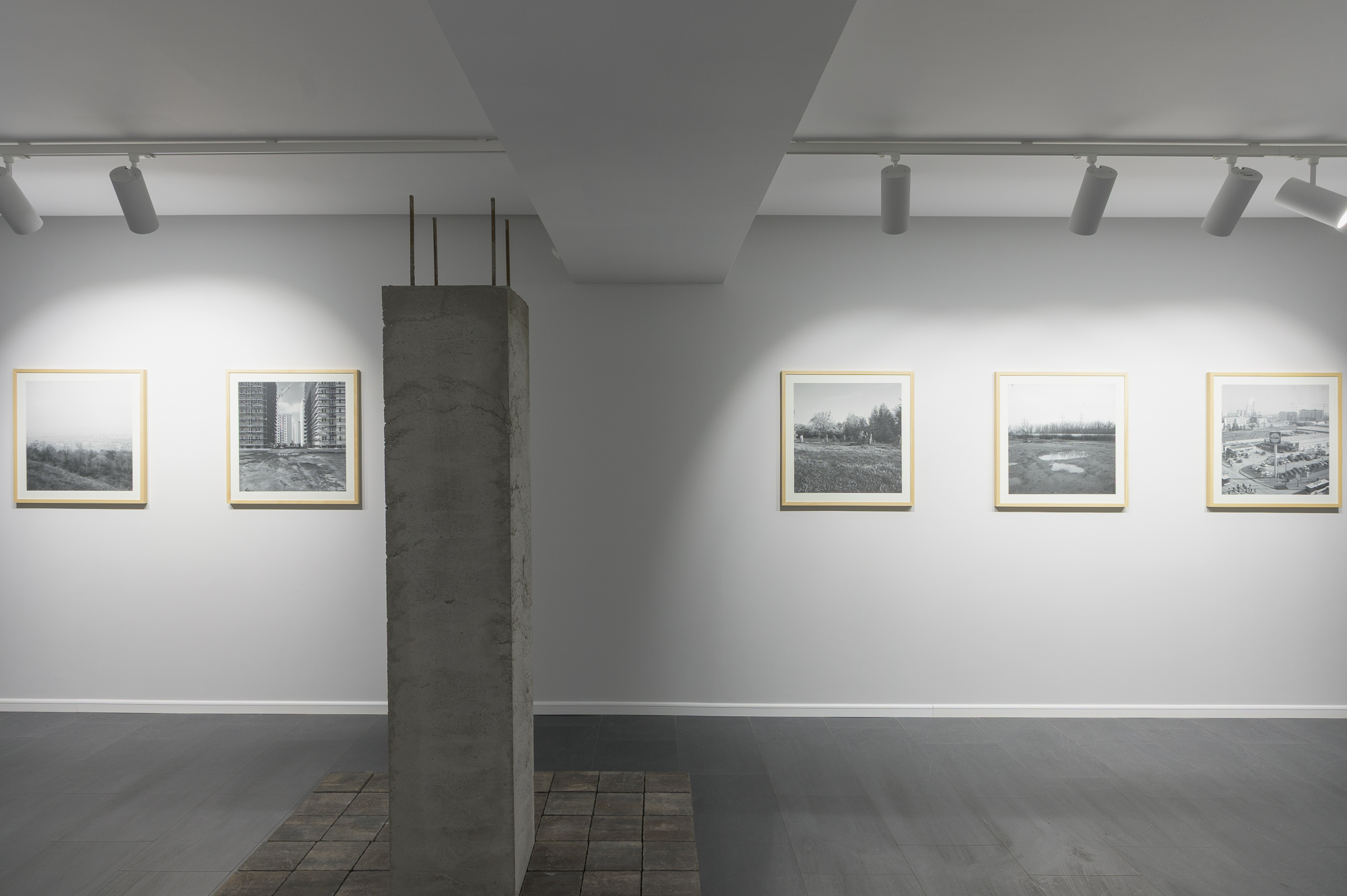
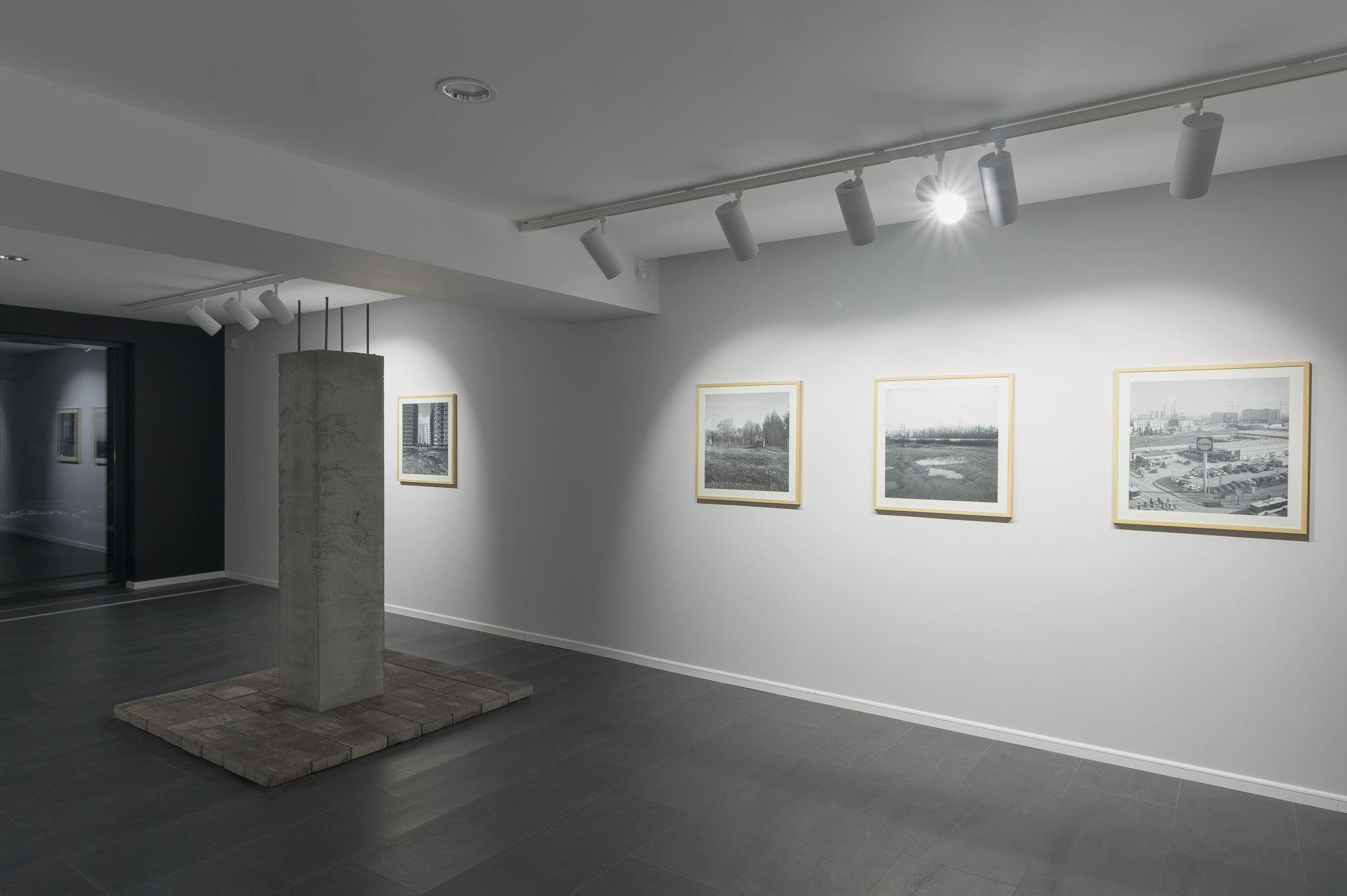
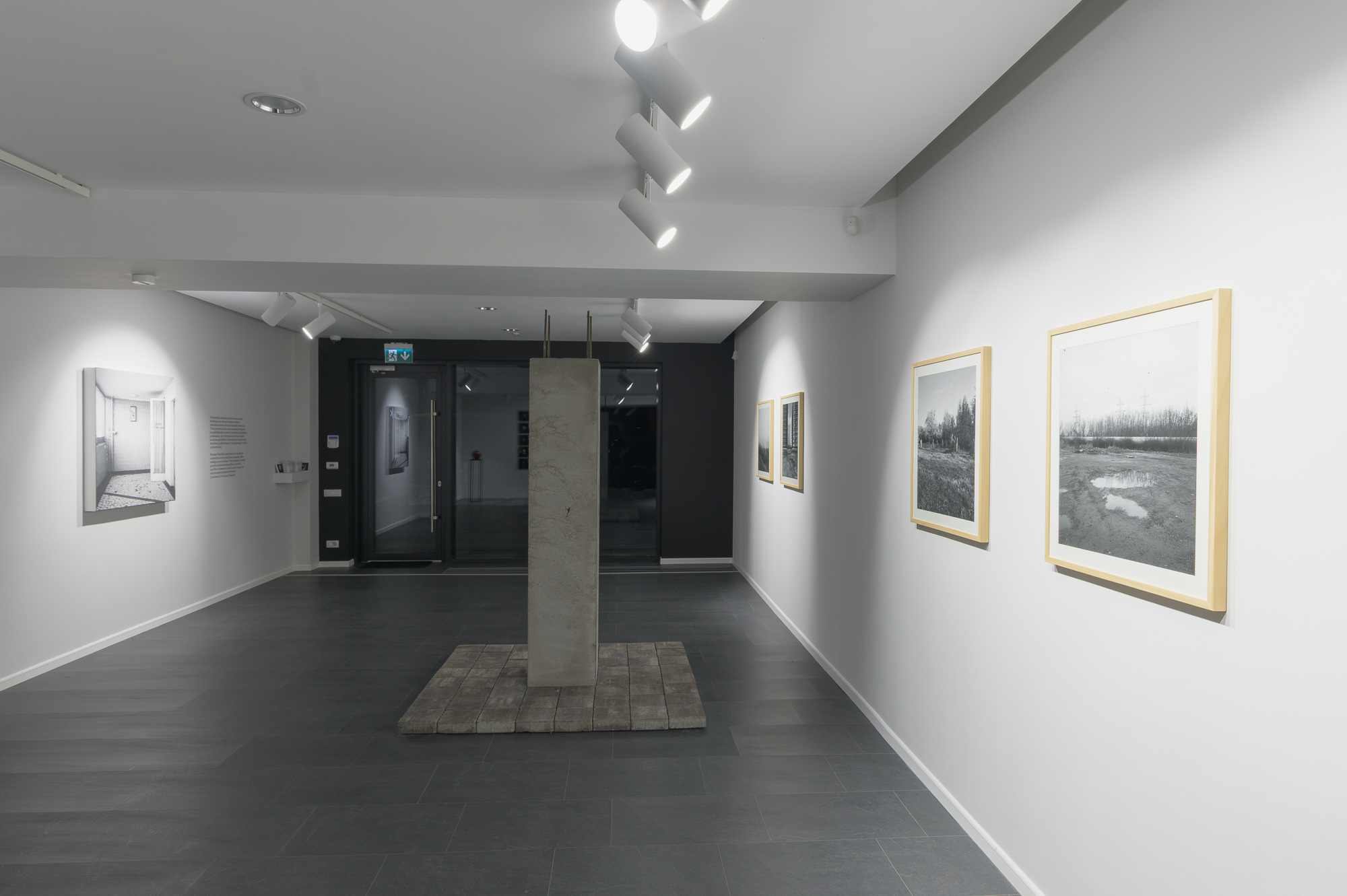
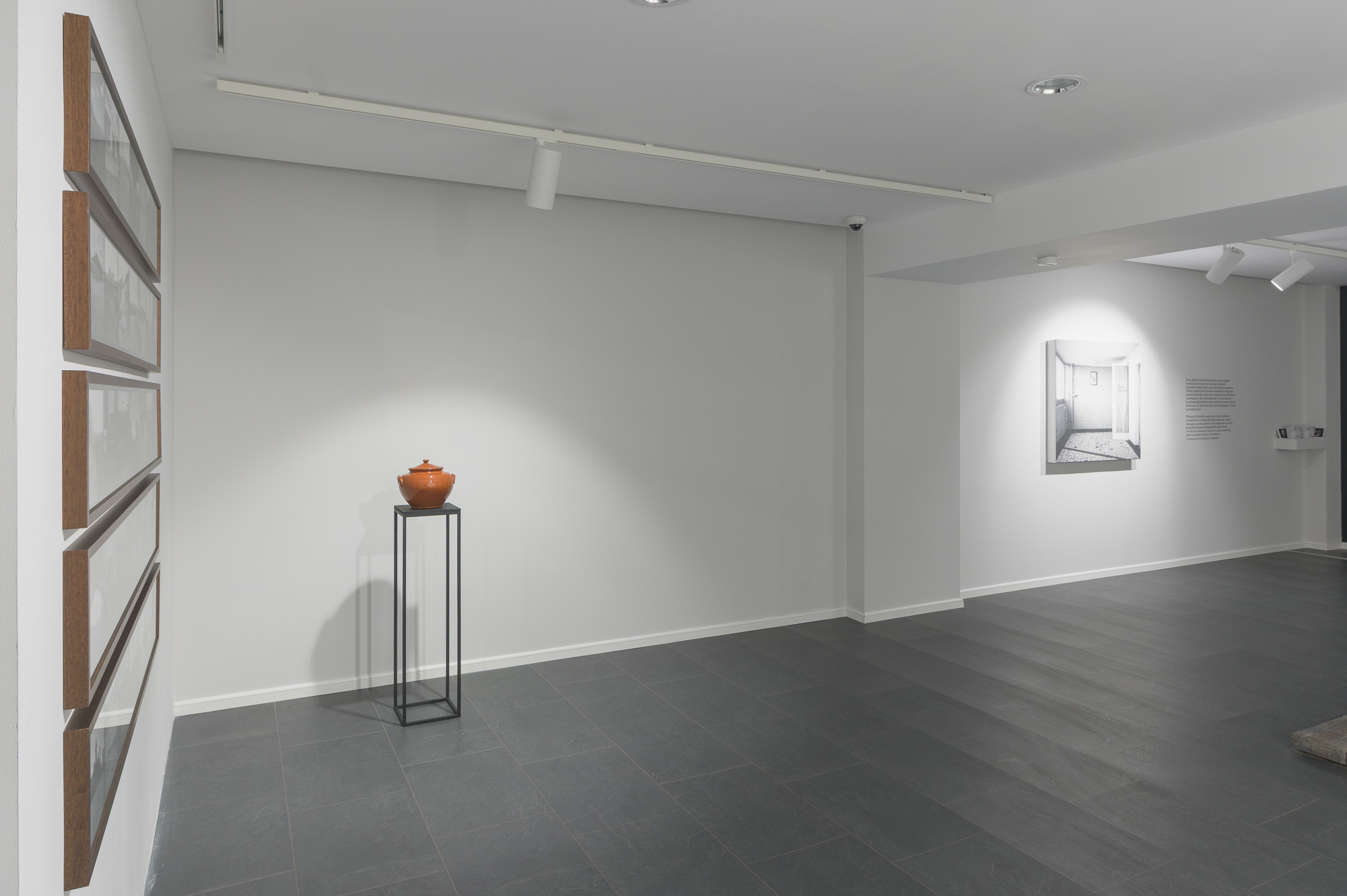
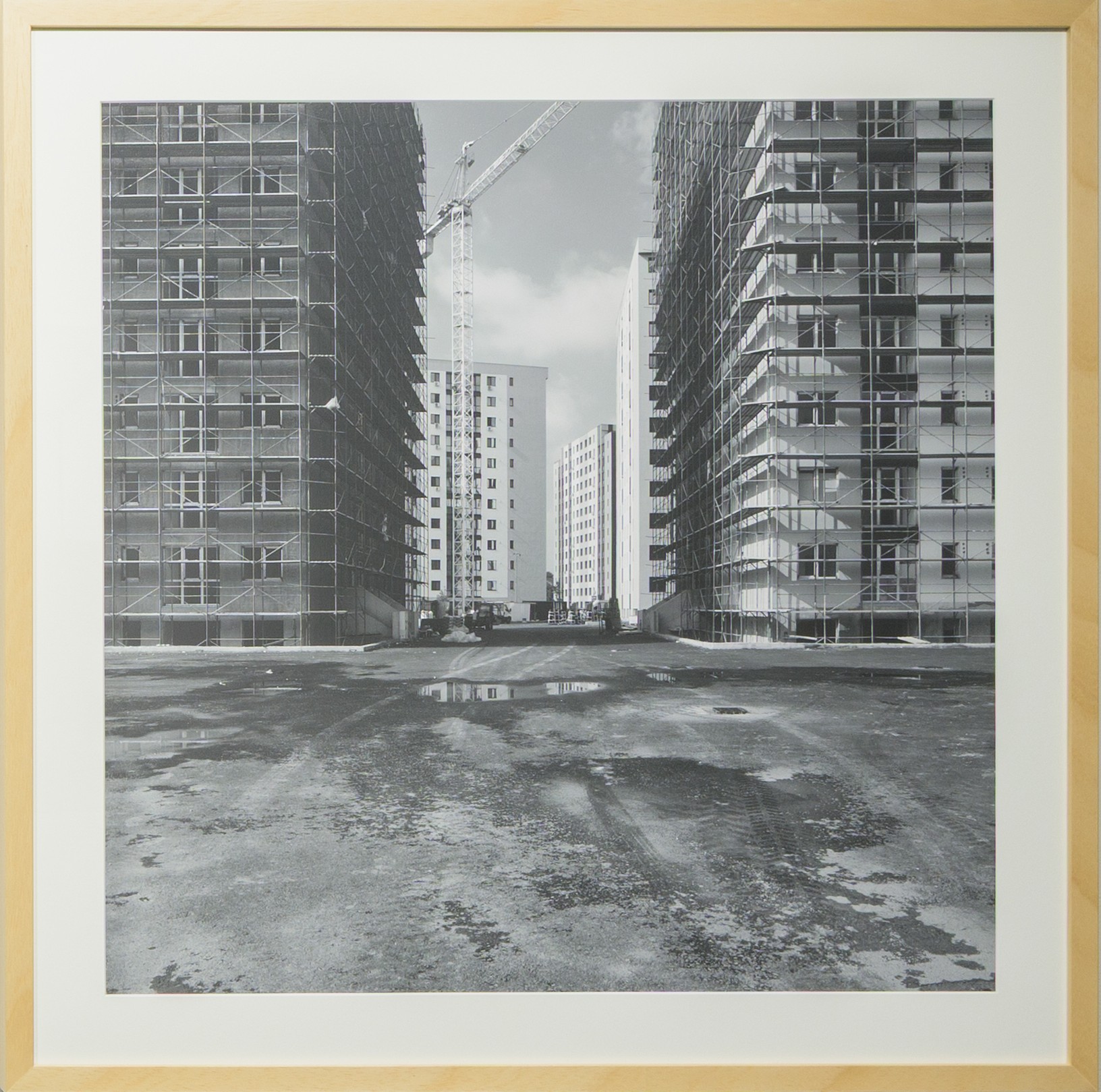
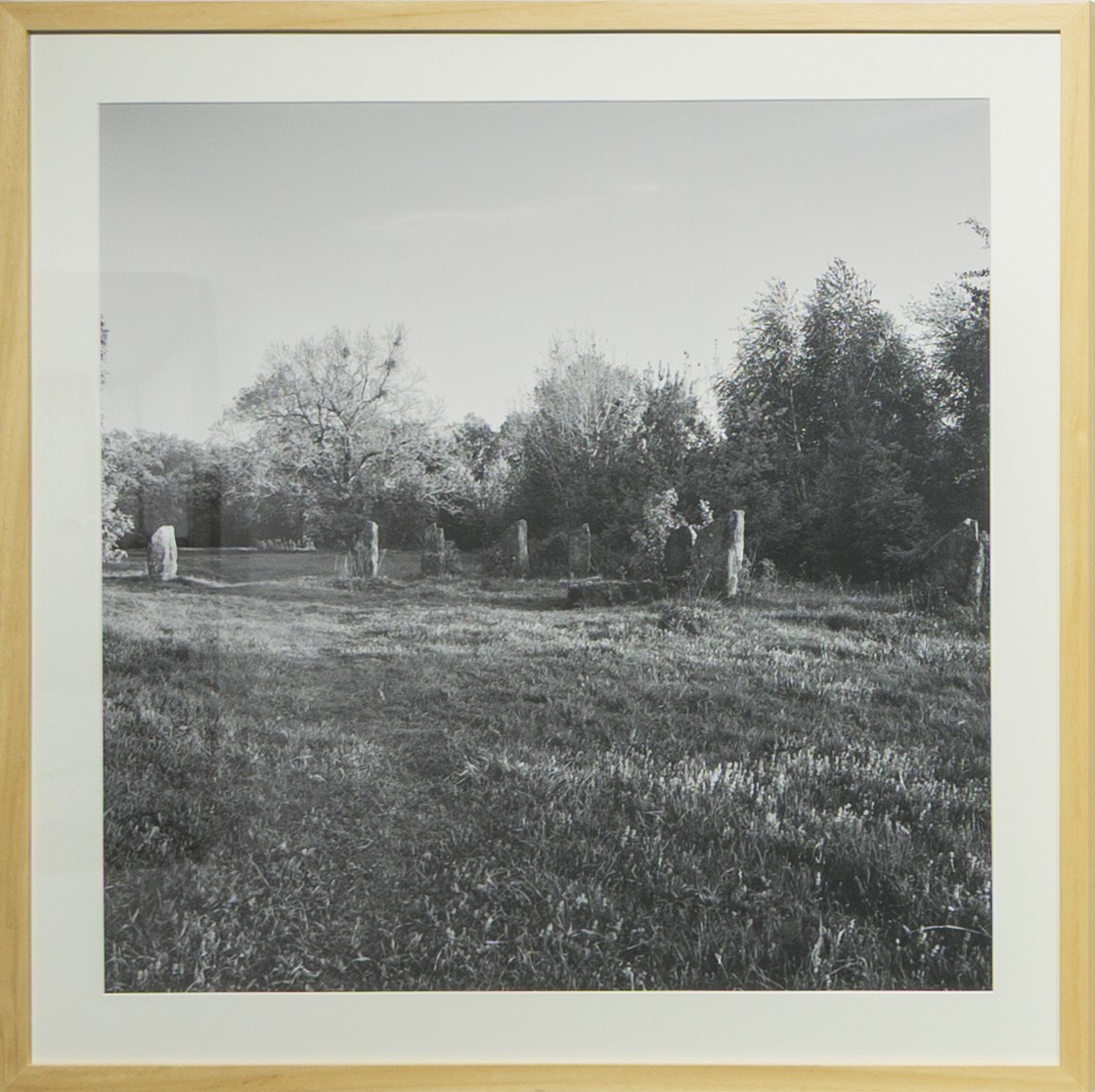
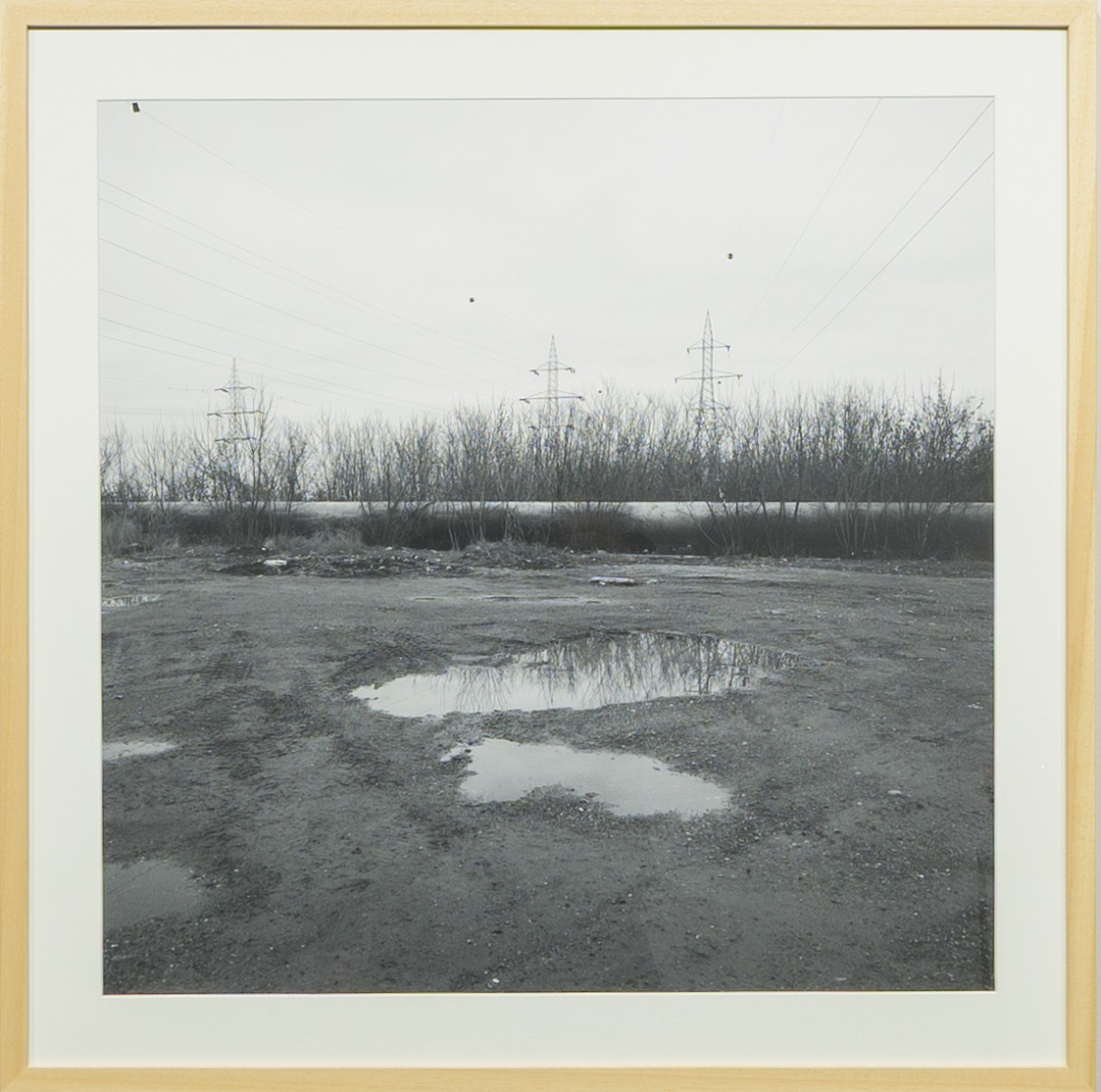
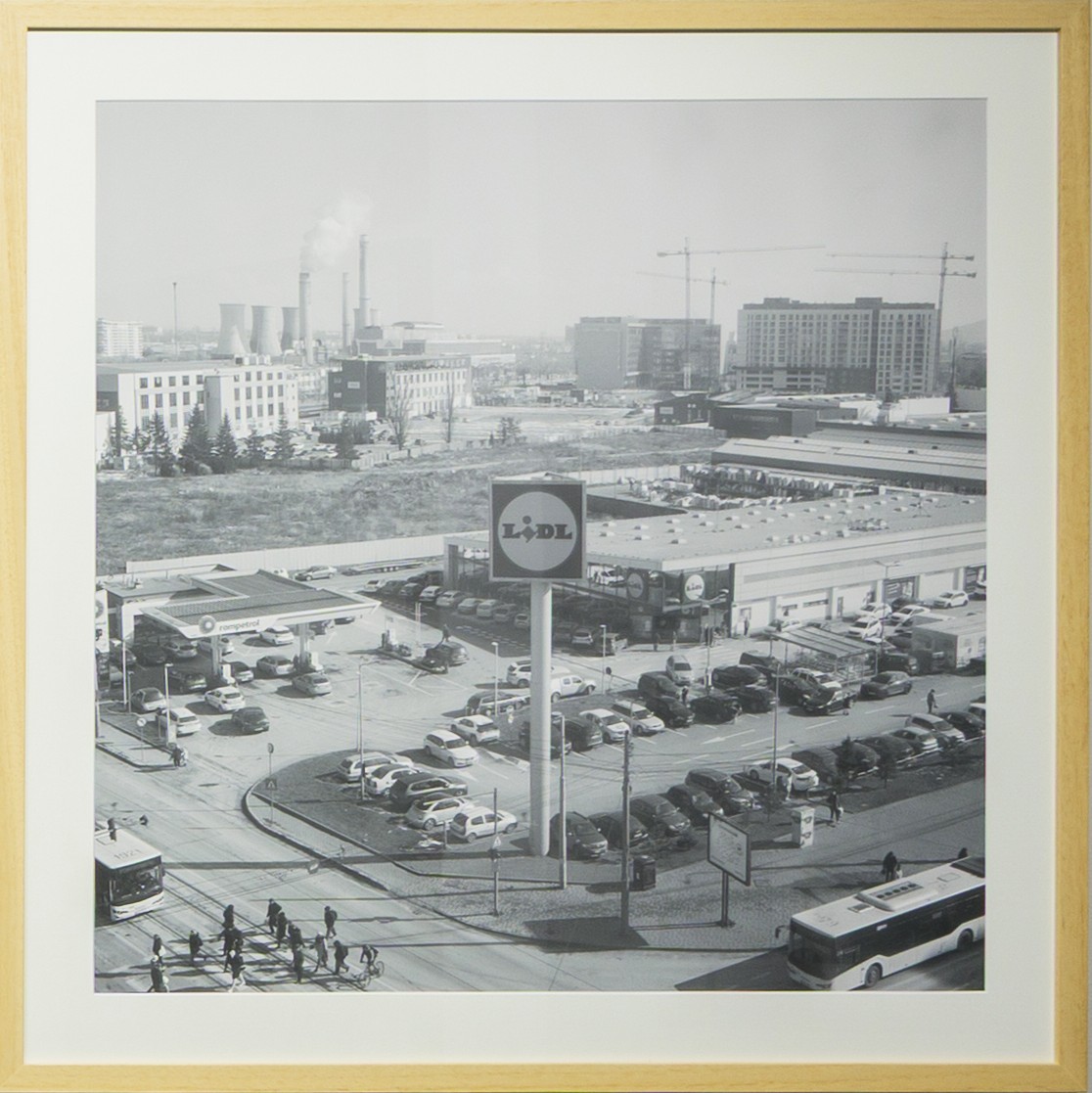
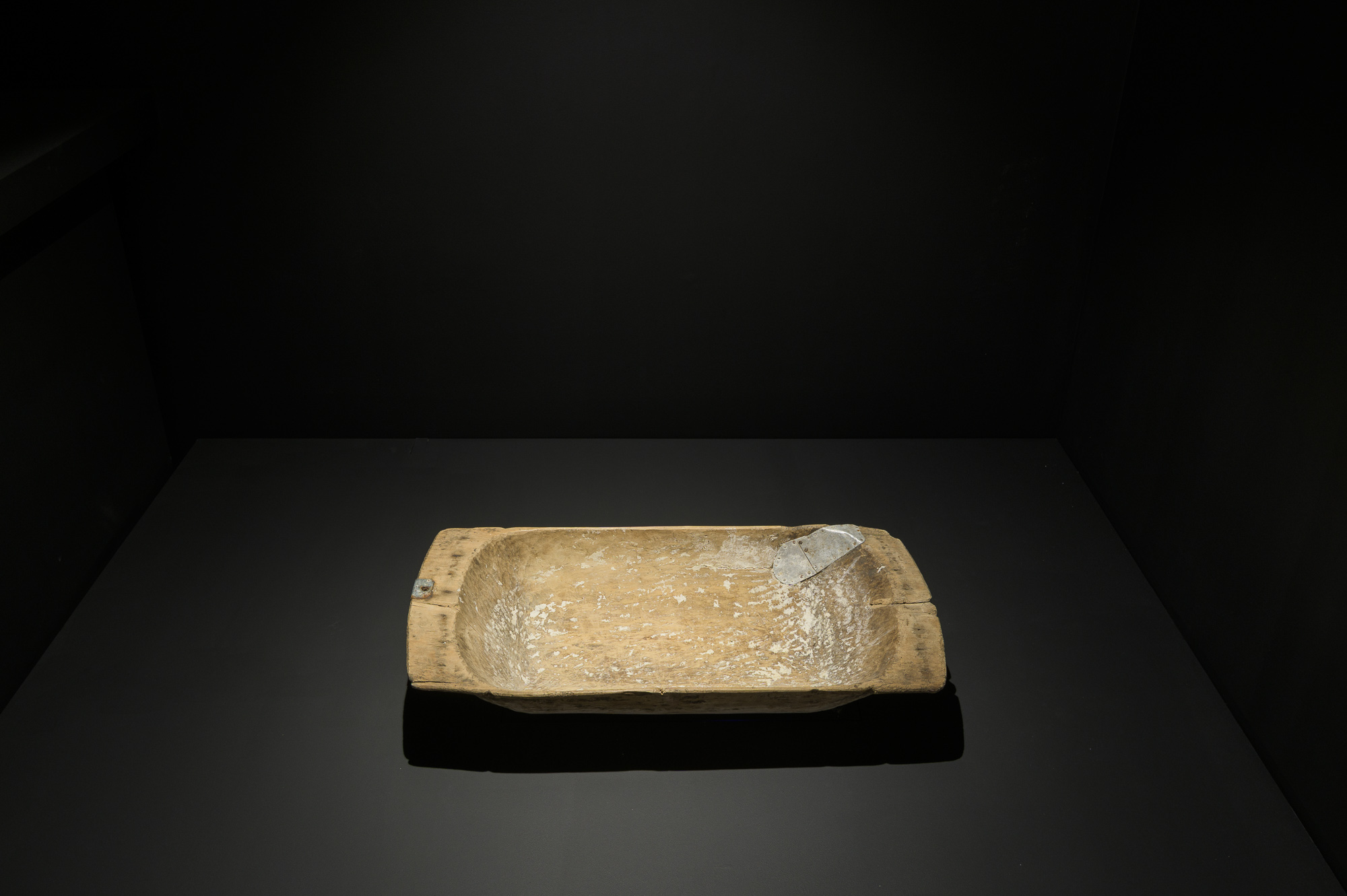
„Pământ Paleolitic” este locul care propune o estetică a teritoriului documentat, între vestigiu și actualitate.
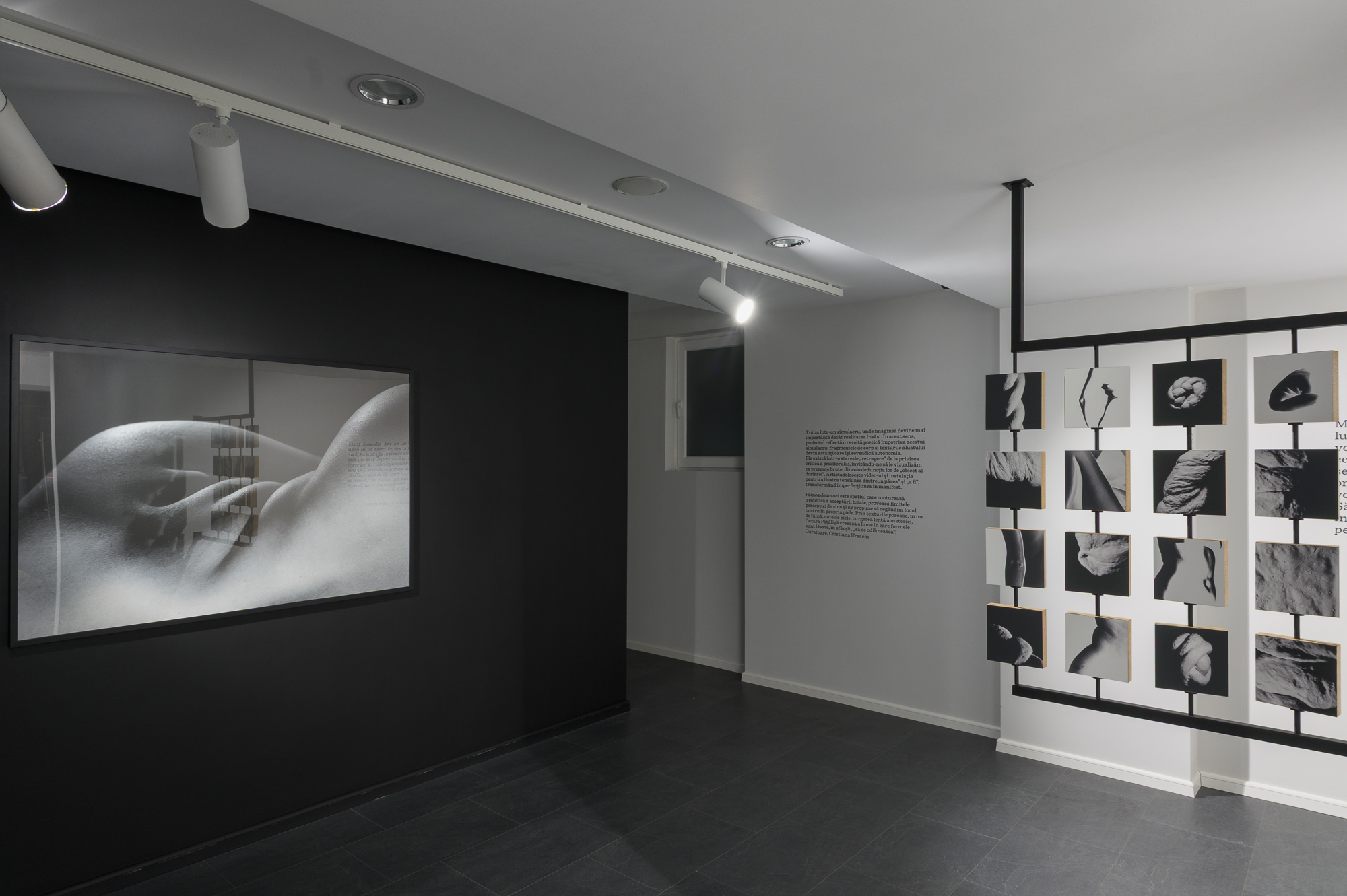
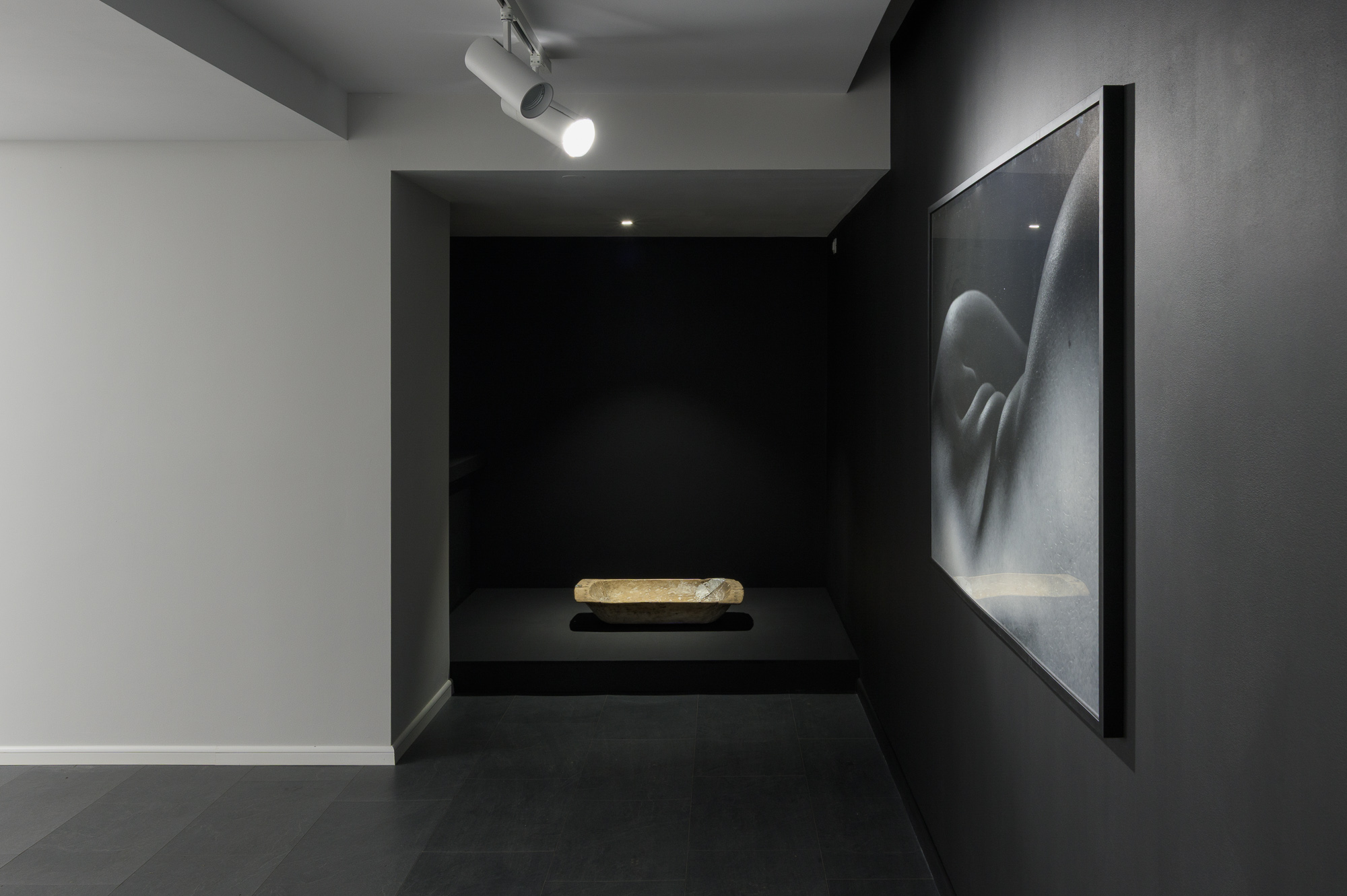
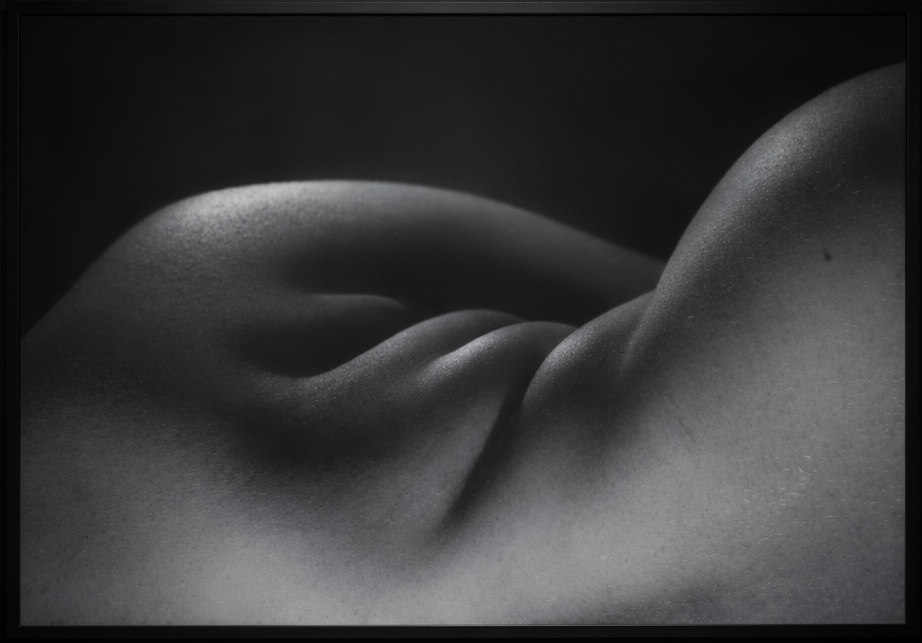
„Pâinea doamnei” este spațiul care conturează o estetică a acceptării totale, provoacă limitele percepției de sine și propune să regândim locul nostru în propria piele.
Paleolithic Earth - Leo Bîrcu
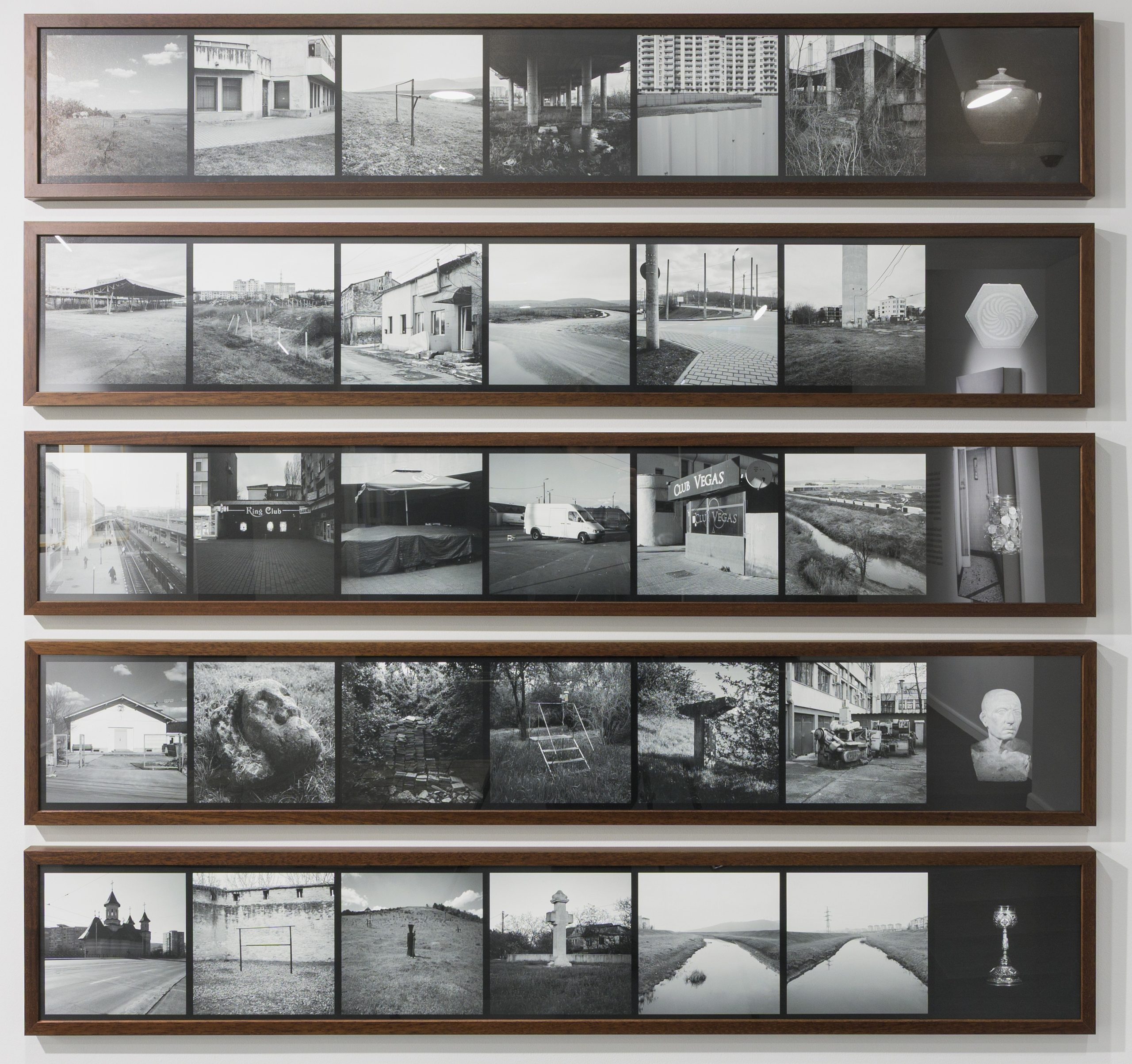
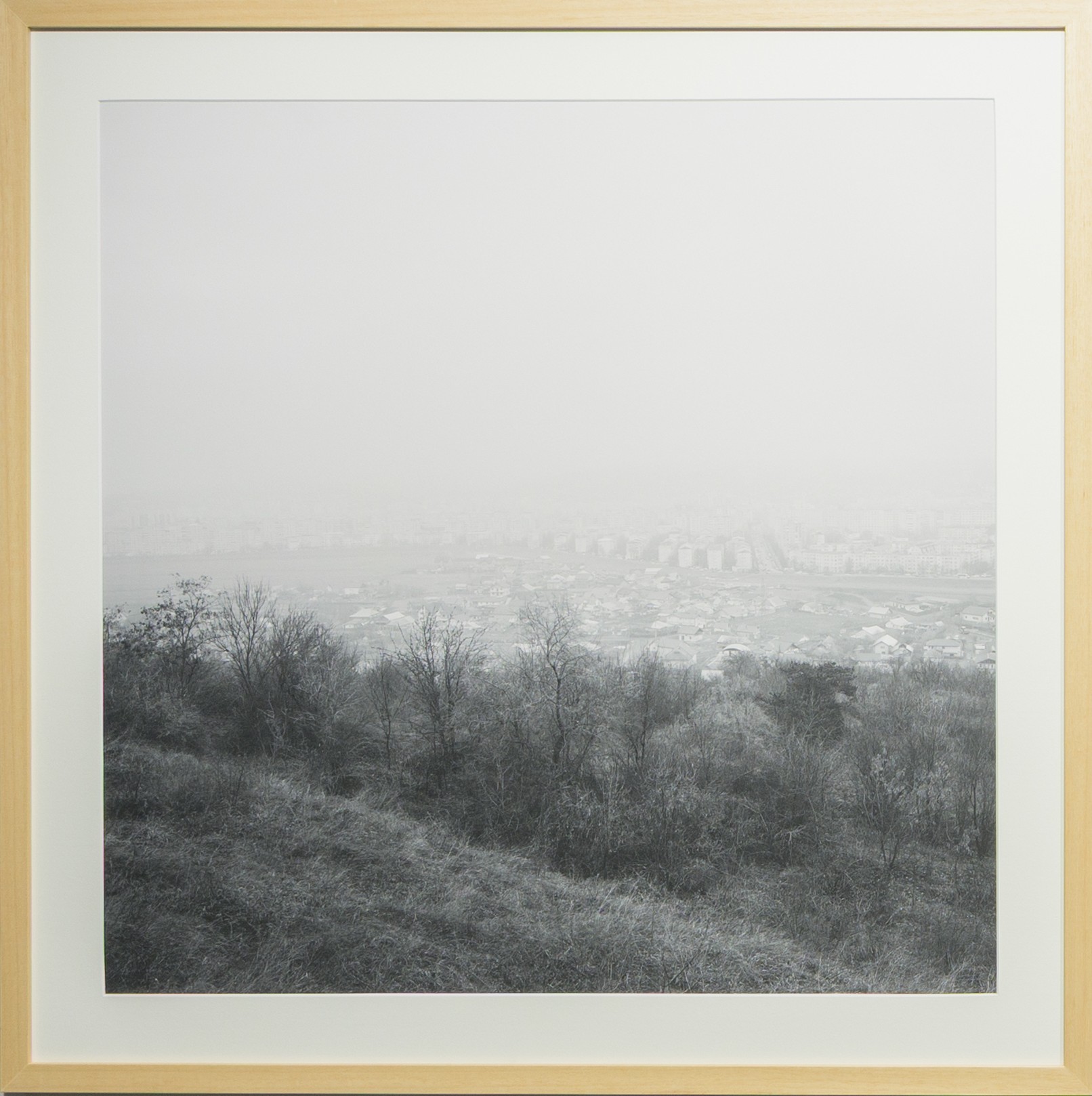
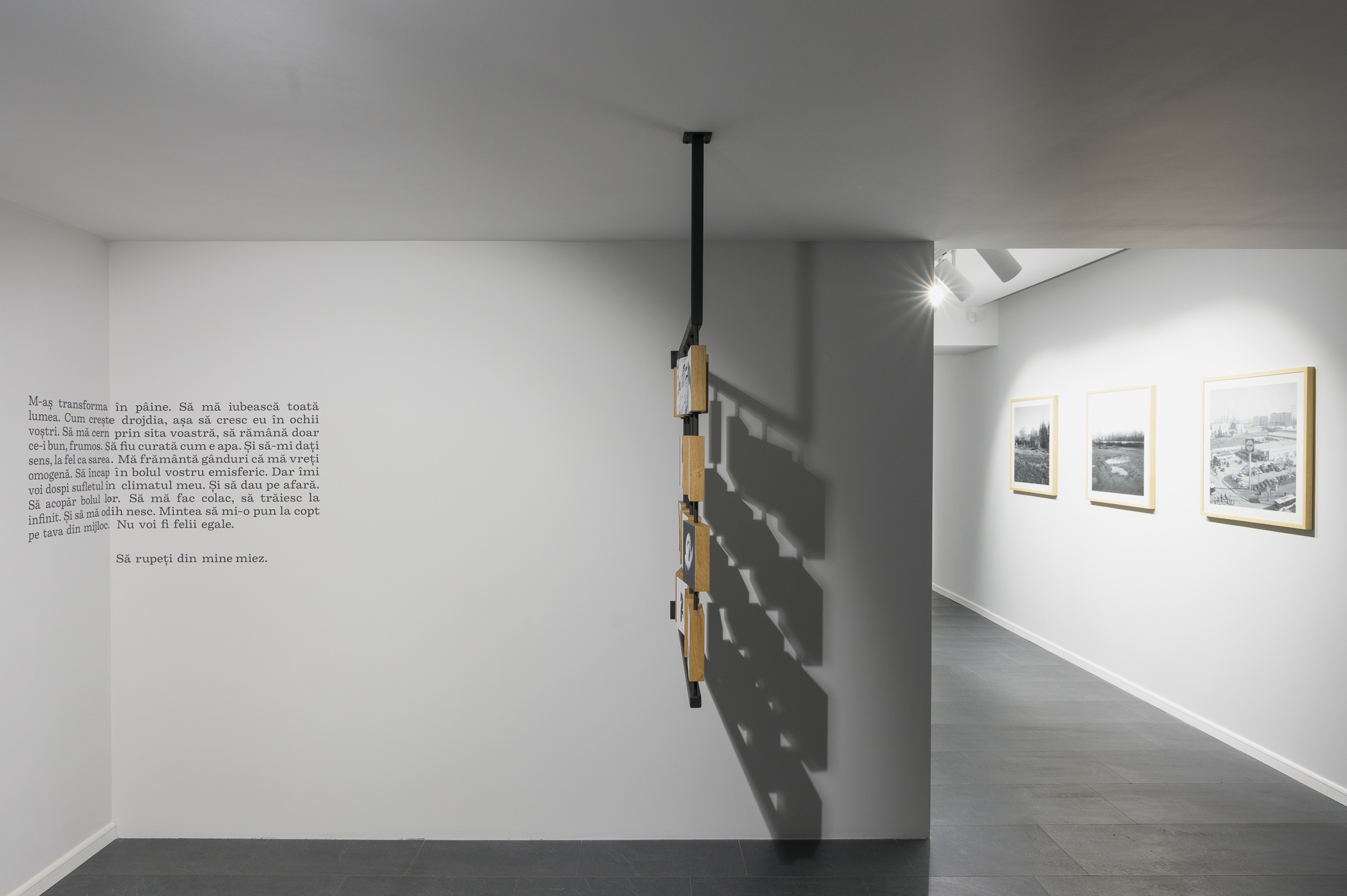
For artist Leonard Bîrcu, the camera is more than a tool for obtaining images, it is a pretext for "topographical targeting", which helps in archaeological surveys. He started from the city of Iași understood as a material and symbolic layer that supports the current urban landscape. The artist subjects it to a critical analysis that oscillates between the objective document, the subjective essay and the material substrates.
Leonard Bîrcu's approach is based on stratigraphy (proposed and developed by Marius Grec) as a method of studying cultural layers, starting from the observation that "older remains are located in depth", while the new ones are on the surface. This method becomes an active metaphor: the city is seen as a layer of recent culture, and the photograph functions like an archaeological section that reveals "evidence" of the social condition. The images thus capture a "disrupted society" and an evolutionary stagnation, identifying visual patterns that reflect the bidirectional relationship between man and the occupied territory.
From architectural details to unofficial monuments of recent history, the artist identifies clues to a collective identity. The project's title invokes the original moment of the Paleolithic as the incipient point of shaping the landscape, but also introduces an ironic note towards the glorification of the past as an identity tool, to the detriment of a critical understanding of the present.
The exhibition thus represents a research space in which the urban landscape is decomposed to suggest associations between the built place and the cultural characteristics of the social group. Leonard Bîrcu captures that “in-between” between factual certainty and fictional narrative, transforming the surface of the image into a support space for speculation and future alternatives. It is an exhibition about “reading” the layers of time sedimented in asphalt and concrete, about the silence of materiality and the story that places tell when viewed through the prism of an archaeology of the everyday.
"Paleolithic Land" is the place that proposes an aesthetic of the documented territory, between vestige and actuality. Through the rigortargetingand the stratigraphic depth of the gaze, Leonard Bîrcu creates a world in which the city confesses its own becoming.
The Lady's Bread - Cezara Pâțâligă
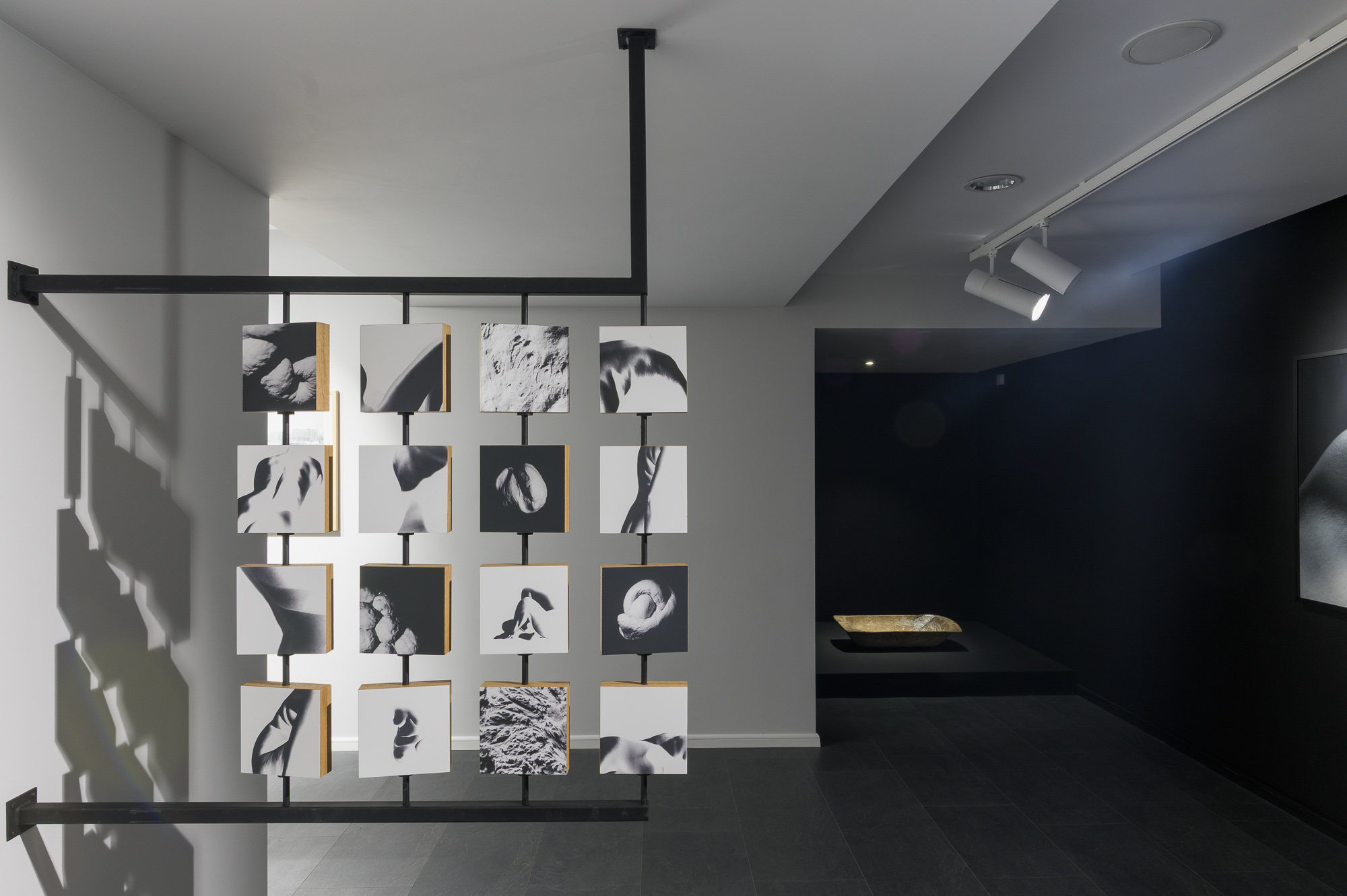
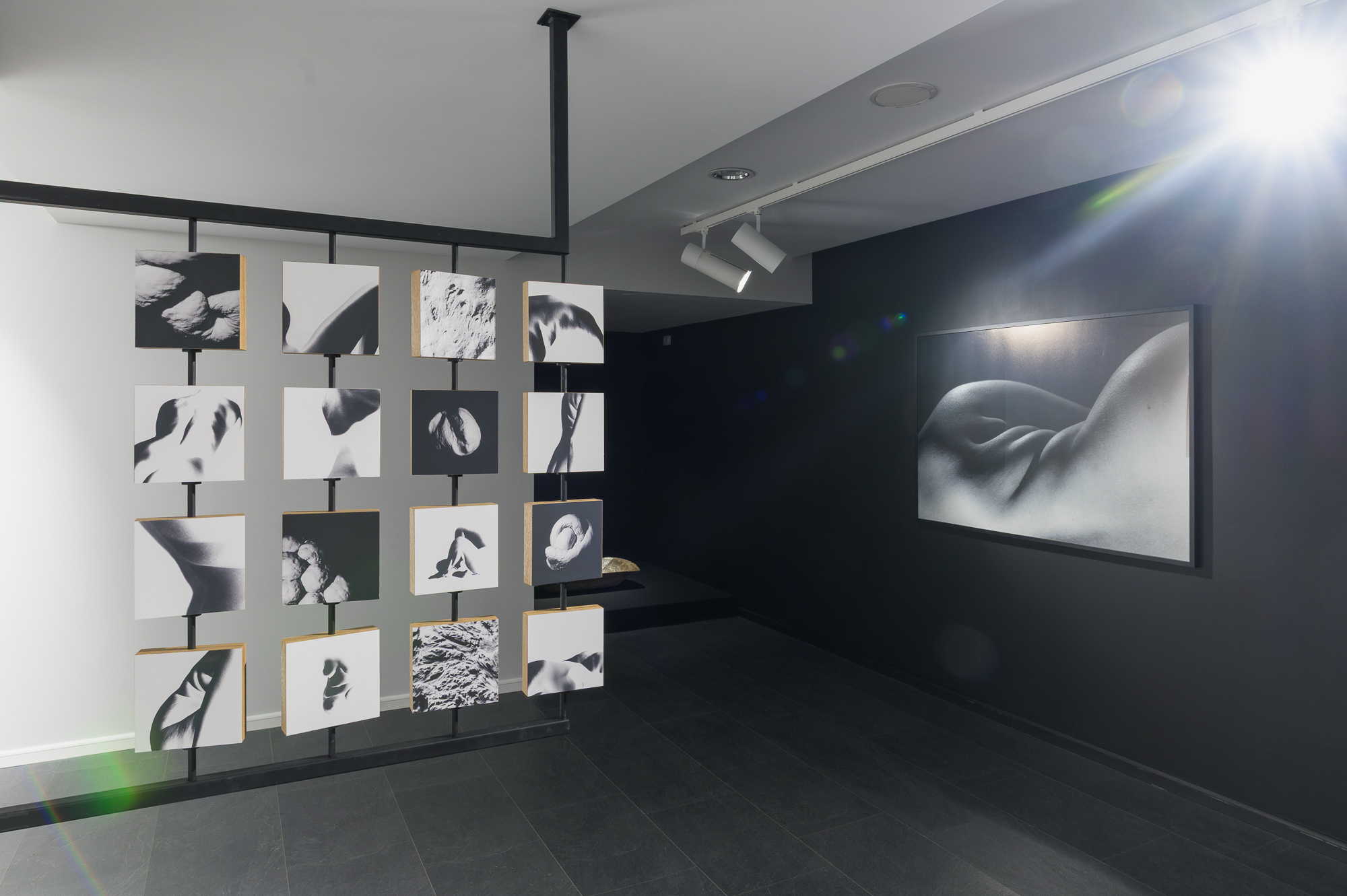
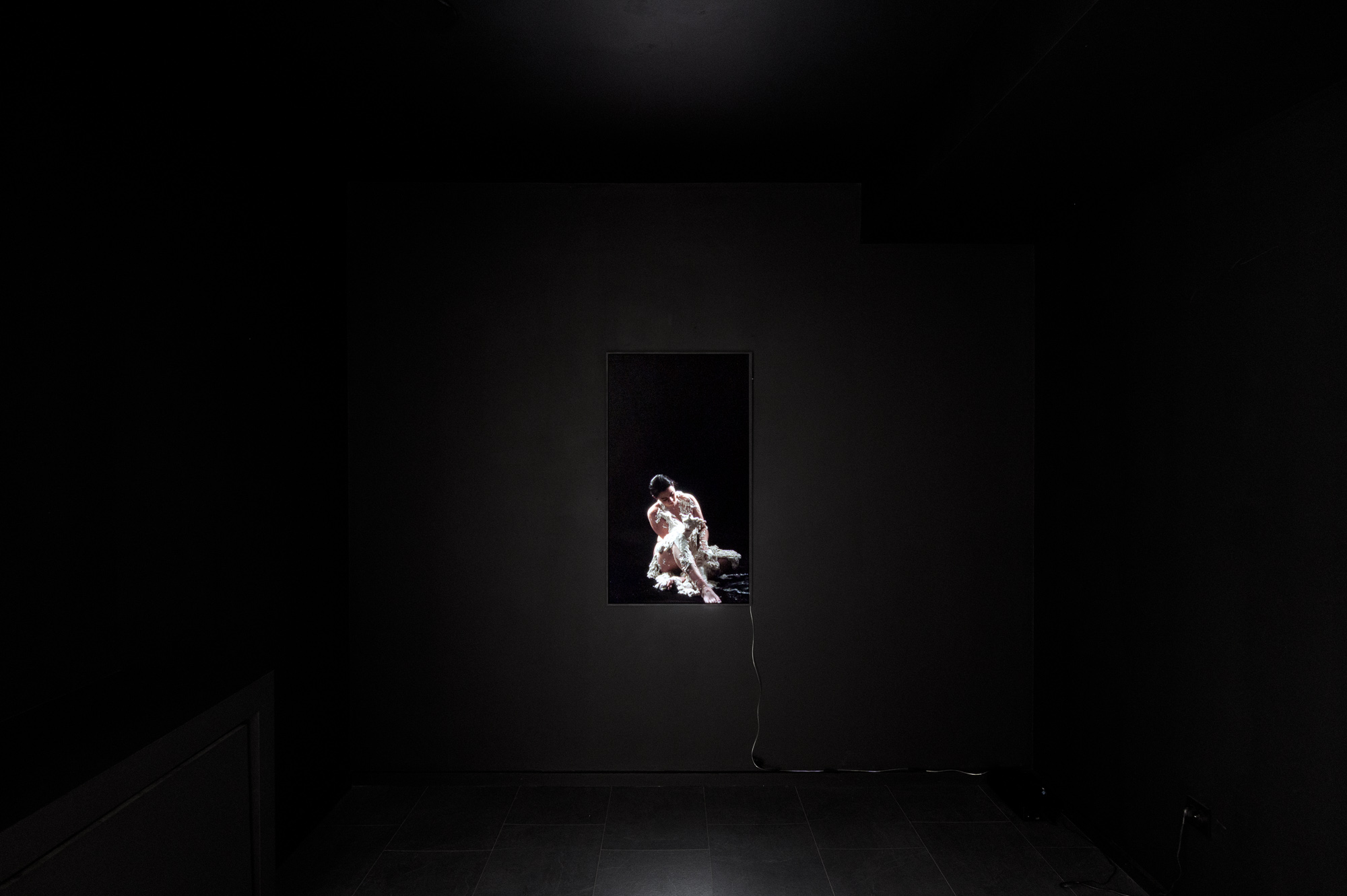
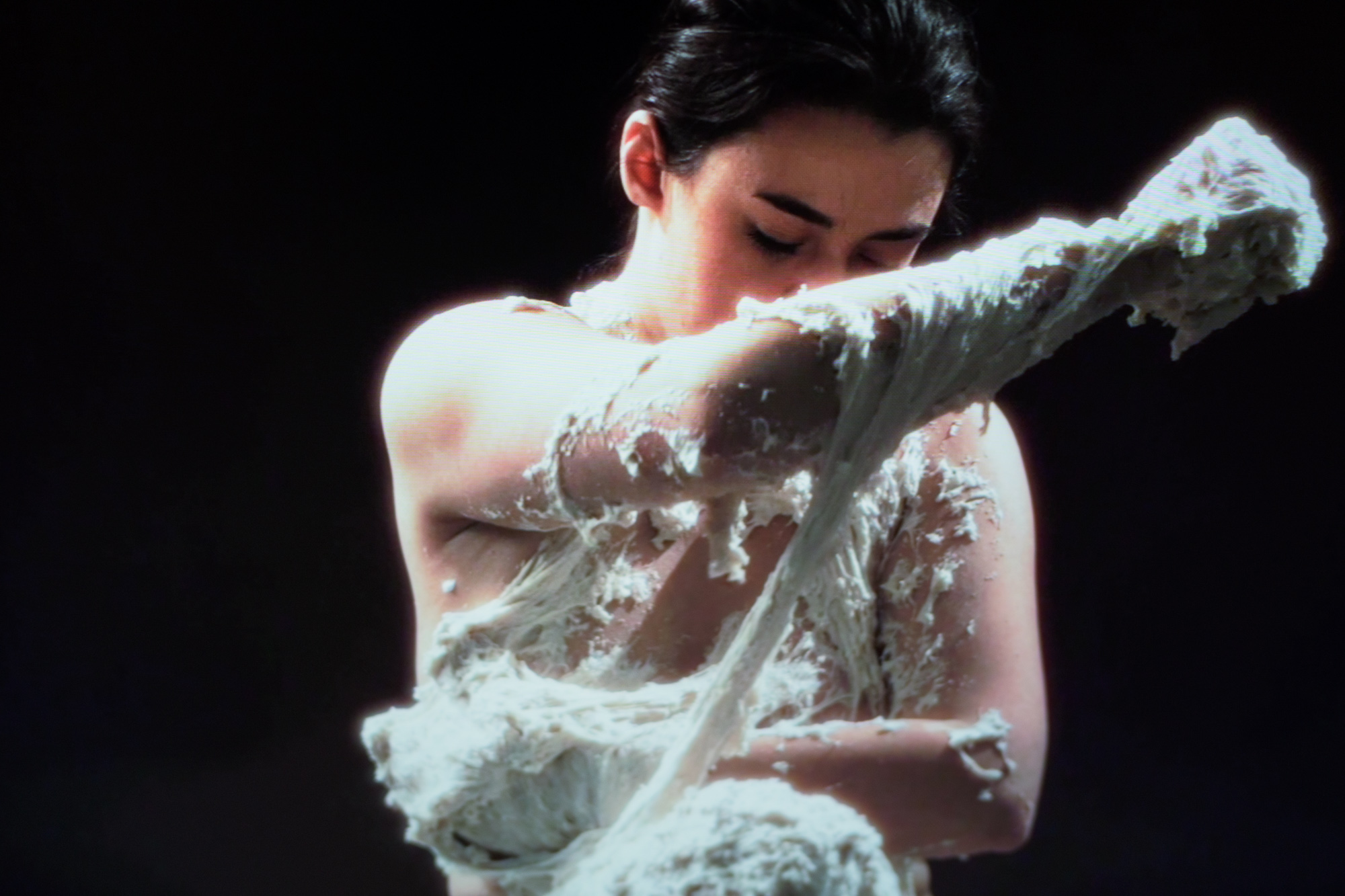
In the beginning there was the body, which artist Cezara Pâțâligă transposed into the materiality of dough, a medium whose organic composition amplifies the tension between the imposed standard and the raw reality, between plastic perfection and the vulnerability of flesh. The contrast between the (idealized) body-image and the body-matter seem to propose distinct realities.
But the artist uses different ingredients: the dough that flows, the yeast that transforms, and the salt that preserves. They become a hybrid materiality, in which biological nature and aesthetic culture coexist.
Within the Art Gen '25 project, on the path from research to exhibition, the works intersect with Maurice Merleau-Ponty's phenomenological theories and Jean Baudrillard's critique of the simulacrum, offering a philosophical framework for understanding the body as an entity and not as an object of visual consumption.
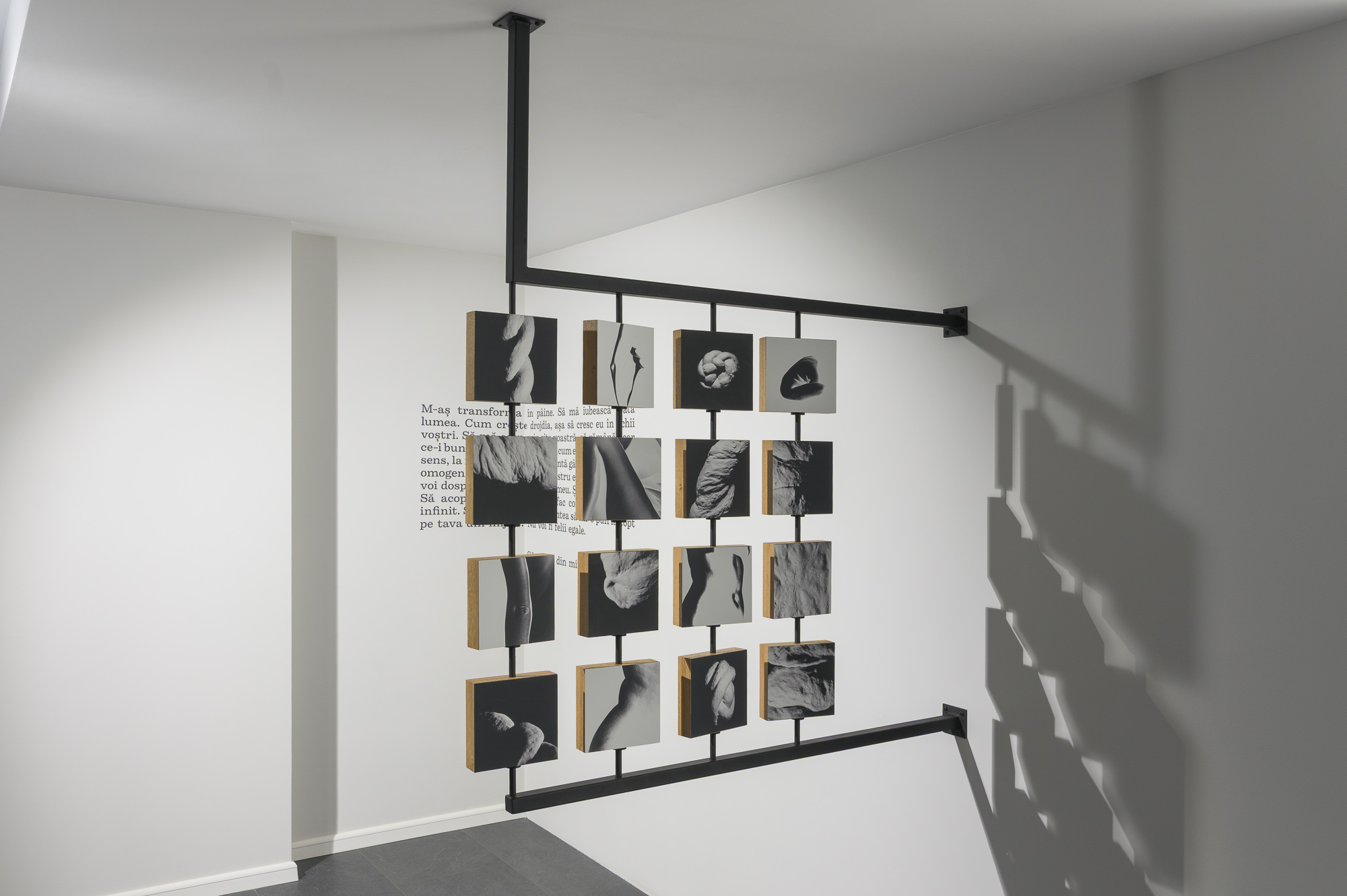
We live in a simulacrum, where the image (hyperreality) becomes more important than reality itself. In this sense, the project “Lady’s Bread” reflects a poetic revolt against this simulacrum: body fragments and dough textures become “autonomous actors” that claim their autonomy. They exist in a state of “withdrawal” from the critical gaze of the viewer, inviting us to visualize them as raw presences, beyond their function as “object of desire”. The artist uses video and installation to illustrate the tension between “seeming” and “being”, transforming imperfection into manifesto.
The exhibition is thus an intermediate space where the forms speak for themselves and capture that “in-between” between the aesthetic and the visceral, transforming the flat surface of the photograph and the fluidity of the dough into a portal to what Merleau-Ponty called “the flesh of the world”: a return to an aesthetic of pure feeling, freed from forced judgments. It is an exhibition about the body captured in its own becoming, about the spaces between the folds, about the silence of the rising dough and the story that the skin tells when people stop comparing it to an impossible ideal.
"Lady's Bread" is the space that outlines an aesthetic of total acceptance, challenges the limits of self-perception and proposes to rethink our place in our own skin. Through porous textures, traces of flour, folds of skin, the slow flow of matter, Cezara Pâțâligă creates a world in which forms are finally allowed to "rest".
Curator, Cristiana Ursache